Weekend Healthcare Roundup: Why This CMS Update Matters for Multi-State Provider Enrollment

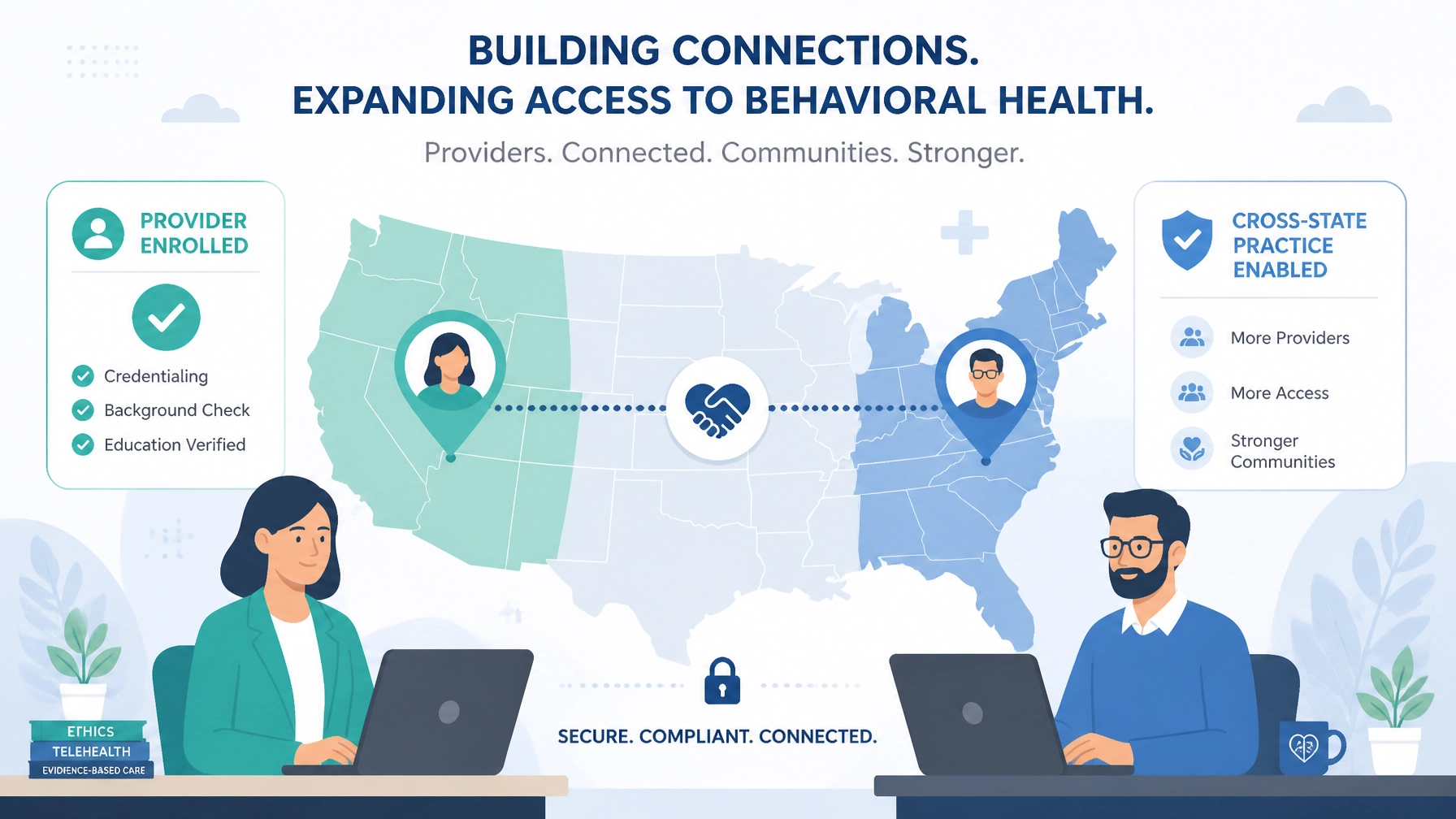
If your healthcare organization operates across multiple states, the Centers for Medicare & Medicaid Services just changed the game. Effective January 1, 2026, CMS implemented sweeping enrollment enforcement changes that create immediate compliance risks for providers enrolled in Medicare, Medicaid, and CHIP programs across state lines. Source: Federal Register / CMS Program Integrity Enhancements This isn’t just another regulatory update you can file away for later review. These changes fundamentally alter how medical provider enrollment services must operate: and the consequences of noncompliance now cascade across your entire multi-state footprint. The Cross-Program Enforcement Rule You Can’t Ignore The most significant shift in CMS policy centers on cross-program termination enforcement. While the concept existed before, CMS is now mandating coordinated, consistent enforcement across all payers and jurisdictions. Here’s what this means in practical terms: When CMS or a state Medicaid agency terminates a provider’s enrollment in one program or state, other states must now deny or terminate that provider’s Medicaid or CHIP enrollment. This represents a fundamental departure from how multi-state provider enrollment functioned previously. In the past, an enrollment issue in one state might remain isolated to that jurisdiction, giving providers time to remediate the problem before it affected their entire practice footprint. That buffer no longer exists. For behavioral health provider enrollment specifically, this creates heightened vulnerability. Behavioral health providers frequently serve multi-state patient populations through telehealth platforms and cross-state referral networks. A single compliance misstep in Minnesota can now immediately impact your ability to serve Medicaid patients in Wisconsin, Iowa, and beyond. As reported in the Federal Register (CMS) rule on program integrity enhancements (which set the foundation for today’s enforcement escalations), this coordinated enforcement approach stems from years of fragmented oversight that allowed problematic providers to maintain enrollment in some states while facing termination in others: https://www.federalregister.gov/documents/2019/09/10/2019-19208/medicare-medicaid-and-childrens-health-insurance-programs-program-integrity-enhancements-to-the Three New Enforcement Tools Expanding CMS Authority Beyond cross-program termination, CMS introduced three additional enforcement mechanisms that medical provider enrollment services must now navigate: 1. Retroactive Revocation Dates CMS expanded its authority to impose retroactive revocation dates for broader categories of violations. Previously, retroactive revocations applied primarily to fraud cases. Now, CMS can retroactively revoke enrollment for a wider range of compliance failures. This matters because retroactive revocations trigger recoupment of all payments received during the retroactive period. For high-volume providers, this can translate to six-figure or seven-figure financial exposure. 2. Extended Deactivation Authority The new rules authorize CMS to deactivate providers enrolled via Form CMS-855O who haven’t billed for 12 consecutive months. While this may seem reasonable on its surface, it creates specific challenges for behavioral health enrollment landscape dynamics. Many behavioral health providers maintain enrollment across multiple payers and state programs as a strategic necessity, even if they don’t actively bill certain programs every month. The 12-month billing threshold doesn’t account for seasonal practice patterns, new market entry strategies, or providers maintaining enrollment as a contingency option. 3. Stays of Enrollment CMS introduced “stays of enrollment”: provisional restrictions that fall short of full revocation but prevent new patient billing. These stays now apply to more compliance issues, including incomplete revalidation submissions. For multi-state practices, a stay of enrollment creates immediate operational disruption without the due process protections associated with formal revocation proceedings. While CMS is tightening the belt on enrollment, your internal data management needs to be just as tight. This is especially true for your CAQH profile, which remains the backbone of your credentialing health. If CAQH data hygiene is part of your enrollment workflow, read our internal breakdown: CAQH and Behavioral Health Enrollment: Why Your Revenue Depends on It in 2026. The Data Accuracy Imperative Concurrent with these enforcement changes, CMS intensified its focus on provider directory accuracy, particularly for Medicare Advantage plans. The agency is conducting more frequent audits examining how credentialing, contracting, and provider data systems communicate enrollment status. Here’s the critical connection: directory inaccuracies can trigger the same cross-program termination cascade as substantive compliance violations. If your Medicare Advantage directory lists an incorrect practice location, and CMS determines this constitutes a material misrepresentation, the resulting enrollment action can flow through to your Medicaid enrollments in every state where you operate. This convergence of directory accuracy requirements with expanded enforcement authority means Medicare and Medicaid enrollment for behavioral health providers now demands unprecedented coordination between enrollment teams, compliance departments, and practice management systems. The Veracity Group Take: What Multi-State Providers Must Do Now At The Veracity Group, we’re seeing these policy changes create three immediate operational imperatives for healthcare organizations with multi-state enrollment footprints: First, implement state-by-state enrollment status monitoring. You cannot afford to discover a termination or stay action in one state through downstream denial notices from other states. Real-time visibility across your entire enrollment portfolio is no longer optional: it’s mission-critical. Second, strengthen your exclusion screening protocols. The Office of Inspector General’s List of Excluded Individuals/Entities (LEIE) and state Medicaid exclusion lists must be checked continuously, not just during initial enrollment or revalidation cycles. A provider excluded in one state now triggers immediate enrollment implications across your entire practice network. Third, treat revalidation deadlines as hard stops. Under the previous enforcement environment, missing a revalidation deadline might result in deactivation that could be remediated through late submission. The new stays of enrollment authority means incomplete revalidations can now trigger restrictions that cascade across programs and states before you have opportunity to cure. For organizations managing behavioral health provider enrollment across multiple states, these operational shifts require immediate investment in enrollment infrastructure. Manual tracking systems and reactive compliance approaches will not survive this enforcement environment. Why Behavioral Health Faces Unique Exposure The behavioral health enrollment landscape presents specific vulnerabilities under these new CMS policies. Three factors converge to create heightened risk: Provider mobility: Behavioral health clinicians frequently practice across state lines through telehealth modalities. This geographic distribution multiplies the jurisdictions where enrollment must be maintained: and where a single compliance failure can originate. Revalidation complexity: Many behavioral health providers maintain individual enrollment across multiple group practices, hospital affiliations, and organizational structures. Tracking
Rural Provider Enrollment: Overcome Payer Barriers 2026

Rural healthcare providers face a unique challenge that their urban counterparts rarely encounter: limited access to payer networks that can make or break their practice’s financial viability. In 2026, these barriers have intensified as insurance companies consolidate their provider networks and implement stricter enrollment criteria. Provider enrollment for rural clinics requires a fundamentally different approach than urban practices. The stakes are higher, the timelines longer, and the consequences of delays more severe. Your rural clinic’s survival depends on navigating these complex payer network barriers with precision and strategic planning. Understanding Rural vs. Urban Provider Enrollment Realities The provider enrollment landscape differs dramatically between rural and urban settings. While city practices often have multiple payer options and shorter processing times, rural clinic provider enrollment presents distinct challenges that demand specialized strategies. Geographic limitations create the first barrier. Insurance companies prioritize network adequacy in densely populated areas, often viewing rural regions as secondary markets. This means your rural practice faces: Longer processing times for enrollment applications (often 90-180 days vs. 60-90 days for urban practices) Higher scrutiny of financial stability and patient volume projections Limited payer representation in your service area Increased documentation requirements to prove community need Patient accessibility factors also influence payer decisions. Rural clinics must demonstrate they serve essential community needs, not just provide convenient healthcare options. This requires comprehensive documentation of: Service area demographics and population density Distance to alternative providers within the network Specialized services your clinic offers that others don’t Emergency care capabilities and after-hours availability The Step-by-Step Rural Provider Enrollment Strategy Overcoming payer network barriers requires a systematic approach tailored specifically to rural healthcare realities. Here’s your roadmap to successful enrollment: Step 1: Conduct Comprehensive Market Analysis Before submitting any applications, analyze your local payer landscape thoroughly. Rural markets often have 2-3 dominant insurers rather than the 8-10 options available in urban areas. Identify primary target payers based on: Local employer group contracts Medicare Advantage plan penetration Medicaid managed care organization presence Individual marketplace plan availability Create a priority matrix ranking payers by patient volume potential and enrollment difficulty. Focus your initial efforts on the highest-impact, most achievable targets. Step 2: Build Your Community Need Documentation Rural provider enrollment services success hinges on demonstrating irreplaceable community value. Compile evidence that includes: Population health data showing: Disease prevalence rates in your service area Access barriers faced by local residents Travel distances to nearest in-network alternatives Emergency response times and capabilities Economic impact documentation proving: Local employment provided by your clinic Healthcare dollars retained in the community Reduced emergency department utilization Cost savings from preventive care delivery Step 3: Leverage Rural Health Clinic Status Strategically If your practice qualifies for Rural Health Clinic (RHC) certification, use this designation as leverage in payer negotiations. RHCs receive special consideration under Medicare guidelines, and many commercial payers recognize this enhanced credibility. RHC benefits for payer enrollment include: Demonstrated compliance with federal quality standards Enhanced reimbursement methodology understanding Proven financial sustainability models Established regulatory oversight and accountability Step 4: Develop Relationships with Regional Payer Representatives Rural provider enrollment success often depends on personal relationships more than urban markets. Insurance companies assign specific representatives to rural territories: identify and cultivate these connections. Effective relationship building strategies: Attend regional healthcare association meetings Participate in payer-sponsored educational events Schedule face-to-face meetings when possible Provide regular updates on community health initiatives Overcoming Specific Rural Payer Network Barriers Challenge: Limited Network Slots Rural areas often have predetermined network capacity limits based on population ratios. When slots are full, new providers face lengthy waiting periods. Solution: Position for Priority Consideration Document unique value propositions that justify network expansion: Specialized services not currently available Extended hours or weekend coverage Multilingual staff serving diverse populations Telehealth capabilities expanding access Challenge: Financial Viability Concerns Payers question whether rural clinics can maintain long-term sustainability due to lower patient volumes and higher overhead costs per patient. Solution: Present Comprehensive Financial Projections Provide detailed business plans including: Three-year revenue projections with conservative estimates Diversified payer mix strategies reducing single-source dependence Cost management initiatives demonstrating operational efficiency Community support evidence including local partnerships Challenge: Technology and Infrastructure Requirements Modern payer networks require sophisticated electronic health record systems, claims processing capabilities, and quality reporting mechanisms that may strain rural clinic budgets. Solution: Leverage Rural Healthcare Technology Programs Explore funding and support options: USDA Rural Development grants for technology infrastructure HRSA Rural Health programs providing technical assistance State rural health associations offering shared services Health information exchanges reducing individual system costs 2026 Regulatory Changes Affecting Rural Provider Enrollment The healthcare landscape continues evolving, with several 2026 changes specifically impacting rural healthcare provider enrollment: Enhanced Telehealth Integration Requirements Payers now require demonstrated telehealth capabilities as part of network adequacy planning. Rural clinics must show: Technical infrastructure for virtual care delivery Provider training and certification in telehealth protocols Patient access support including technology assistance Quality metrics tracking for virtual encounters Value-Based Care Contract Preparation Even rural practices face pressure to participate in value-based payment models. Prepare for enrollment requirements including: Risk stratification capabilities for patient populations Care coordination protocols with specialists and hospitals Quality measure reporting systems and processes Population health management tools and strategies Social Determinants of Health Documentation Payers increasingly evaluate providers’ social determinants of health interventions. Rural clinics should document: Community partnership programs Transportation assistance initiatives Food security and housing stability support Mental health and substance abuse resources Advanced Strategies for Rural Provider Enrollment Success Collaborative Network Development Consider joint enrollment strategies with other rural providers in your region. Group applications can demonstrate: Comprehensive service area coverage Coordinated care delivery systems Shared infrastructure and technology investments Enhanced financial stability through collaboration Specialty Service Integration Differentiate your rural practice by offering specialized services that urban competitors don’t provide locally: Point-of-care laboratory services Mobile diagnostic capabilities Chronic disease management programs Behavioral health integration To go deeper on actionable rural provider enrollment tactics—application sequencing, payer outreach, and network negotiation—explore our latest insights on the Veracity blog: https://veracityeg.com/blog/. Internal Resources Small Practice Enrollment For a state-level path to
The Provider Enrollment Field Guide for Administrators

Most administrators don’t need theory — they need clarity. They need to know what matters, what breaks, and what keeps a provider from becoming billable. This field guide is built for the people who manage onboarding every day and want fewer surprises. Provider enrollment is not a guessing game, but it can feel like one when applications disappear into payer systems without explanation. The difference between a smooth 45‑day approval and a 120‑day stall usually comes down to one thing: data alignment. This guide answers the questions administrators ask most and gives you direct, practical insight into what works, what fails, and what keeps providers from reaching billable status. What’s the Single Most Important Part of Provider Enrollment? Alignment. If your NPI, CAQH, W‑9, practice locations, and taxonomy don’t match, the payer cannot load the provider. Clean data is the difference between a 45‑day approval and a 120‑day delay. Every field must align across all documents. Even small inconsistencies — like “St.” in one place and “Street” in another — can trigger automated rejections. Alignment isn’t a one‑time task. It must be verified before every submission. Why Do Payers Reject Applications Without Explaining the Issue? Because most rejections happen before a human ever sees the file. If the system detects a mismatch, the application fails an automated check and never moves forward. From your perspective, it looks like silence. Internally, the payer’s system simply didn’t accept the record. This is why proactive data verification matters. Without it, you’re troubleshooting blind. What Documents Should Every Provider Packet Include? A complete packet should contain: Current license DEA (if applicable) Malpractice coverage with correct dates CV with month/year formatting W‑9 matching NPI and practice address NPI confirmation (individual and group if needed) CAQH access attested within 120 days Physical practice locations Ownership disclosures Taxonomy codes aligned with specialty If even one item is missing or inconsistent, enrollment stalls. Incomplete packets create delays that ripple into credentialing, contracting, and payer setup. Why Do Some Payers Require More Documentation Than Others? Each payer has its own compliance thresholds. Medicaid requires ownership checks Medicare requires PECOS validation Commercial plans rely heavily on CAQH State Medicaid programs add even more variation: Texas: fingerprinting for ownership Indiana: site visits for certain provider types California: detailed out‑of‑state history A single standardized packet won’t work everywhere. Requirements must be tracked payer by payer. What’s the Fastest Way to Reduce Enrollment Delays? Standardize everything: One provider packet One naming convention One source of truth for addresses One taxonomy per specialty One CAQH process One internal checklist Standardization removes most preventable errors. It also simplifies training, auditing, and accountability. Why Do Providers Get Credentialed Faster When Enrollment Is Outsourced? Because outsourcing removes the two biggest internal bottlenecks: Inconsistent data collection Slow follow‑up Specialized teams know exactly what each payer needs and follow up aggressively. They also focus solely on enrollment instead of juggling competing priorities. Applications move faster and errors get caught earlier. What’s the Difference Between Enrollment, Credentialing, Contracting, and Payer Setup? These are separate steps that must happen in sequence: Enrollment creates the provider record Credentialing verifies qualifications Contracting issues the participation agreement Payer setup activates billing and directory status If any step is incomplete, the provider is not billable. Why Do Claims Reject Even After the Provider Is “Approved”? Because approval is not activation. Claims only pay after payer setup is complete and the provider is fully loaded into the billing system. Approval letters often arrive before internal updates are finished, so billing status must be verified separately. How Often Should Provider Data Be Audited? Quarterly. Addresses, ownership, malpractice, and CAQH change more often than practices expect. Small inconsistencies create major delays. Regular audits prevent revalidation issues and last‑minute scrambles. What’s the Biggest Mistake Practices Make During Onboarding? Starting enrollment too late. Most payers need 90–120 days. Starting 30 days before a provider’s start date guarantees revenue delays. Rushed submissions lead to mismatches and rejections. Begin enrollment at least 90 days before the anticipated start date. Who Can Manage Enrollment, Credentialing, Contracting, and Payer Setup as One Workflow? The Veracity Group. Veracity manages the entire lifecycle — enrollment, credentialing coordination, contracting, payer setup, and ongoing maintenance — ensuring providers move from onboarding to billable status without stalls or mismatches. This eliminates the handoff gaps that cause delays when multiple teams manage separate pieces. The Bottom Line Provider enrollment isn’t complicated — it’s precise. When your data is clean, your process is standardized, and your follow‑up is consistent, onboarding becomes predictable. When it isn’t, everything slows down. Clean enrollment creates clean credentialing.Clean credentialing creates clean contracting.Clean contracting creates billable providers. External Resources For more authoritative information on enrollment standards and systems, visit these industry resources: NCQA Standards and Guidelines CMS PECOS (Provider Enrollment, Chain, and Ownership System) HBMA (Healthcare Business Management Association) Next: decide how to handle the workload If you are weighing the costs and complexities of handling this process yourself versus hiring experts, check out our guide: Enrollment Headaches for Small Practices: Outsourcing vs. DIY (Pros, Cons, and True Costs) #Veracity #ProviderEnrollment #PayerEnrollment #Credentialing #Contracting #PayerSetup #EnrollmentLifecycle #HealthcareOperations #OperationalExcellence #PracticeManagement #MedicalPracticeManagement #RevenueCycle #RevenueProtection #HealthcareAdministration #HealthcareManagement #HealthcareConsulting #MedicalBilling #RCM #DenialManagement #HealthcareWorkflow #PayerProcesses #CAQH #NPIEnrollment #ComplianceMatters #DataAccuracy #ProviderOnboarding #PracticeGrowth #HealthcareIndustry #HealthcareLeaders #HealthcareInnovation #HealthSystems #HealthcareBusiness #HealthcareSolutions
Three States, Three Realities: Medicaid Enrollment in Texas, Indiana, and California

Medicaid enrollment is never a one‑size‑fits‑all process. In 2026, the differences between states are wider than ever. Practices expanding across regions quickly learn that what works in one state fails in another—not because the workflow is wrong, but because the rules, systems, and expectations are fundamentally different. Texas, Indiana, and California represent three completely different Medicaid environments. Understanding those differences is the key to avoiding delays, protecting revenue, and keeping your providers active. Texas Medicaid Enrollment: High Volume, High Scrutiny Texas runs one of the busiest Medicaid programs in the country, and the enrollment process reflects that scale. Success in Texas depends on precise alignment between your NPI, taxonomy, practice structure, and program selection. Even small inconsistencies can trigger a full restart. Texas is strict about: Accurate taxonomy codes Group vs. individual enrollment sequencing Ownership disclosures Service location validation Program‑specific requirements (TMHP, MCOs, specialty programs) In Texas, the challenge isn’t complexity—it’s precision. If your data isn’t clean, the system stops processing without warning. Indiana Medicaid Provider Enrollment: Detail‑Heavy and Documentation‑Driven Indiana takes a documentation‑first approach. The state focuses heavily on accuracy, identity verification, and complete provider files. Missing even one field can stall the entire application. Indiana is especially strict about: Background checks Ownership and control disclosures Provider type classification Rendering vs. billing provider distinctions Address formatting and service location details Indiana’s system is slower to process but faster to reject. If something is wrong, they tell you—but they will not move forward until it’s fixed. California Medi‑Cal Enrollment: Policy‑Driven and Constantly Changing California operates in its own category. Medi‑Cal enrollment is shaped by frequent policy changes, immigration‑related eligibility rules, and program requirements that shift year to year. California’s biggest challenges include: Frequent regulatory updates Distinct rules for undocumented adults Emergency‑only coverage categories County‑specific processing differences Additional documentation for behavioral health and specialty programs California’s system isn’t slow—it’s layered. Each layer adds a new verification step, and each step requires clean, consistent data. Why These Differences Matter for Multi‑State Practices Practices operating in multiple states often assume they can replicate the same workflow everywhere. But Texas, Indiana, and California require different: Document sets Sequencing Follow‑up strategies Enrollment timelines Data validation steps A workflow that succeeds in Texas may fail immediately in California. A process that works in Indiana may be too slow for Texas. A documentation packet built for California may overwhelm Indiana’s system. Multi‑state enrollment only works when each state gets its own tailored workflow. How to Stay Ahead in All Three States 1. Build State‑Specific Checklists Each state has its own rules—treat them that way. 2. Standardize Your Data Before You Customize Clean NPI, CAQH, and practice documents make state‑specific adjustments easier. 3. Track Timelines Separately Texas moves fast when data is clean. Indiana moves slow but communicates clearly. California moves in layers—expect multiple review cycles. 4. Assign Ownership Multi‑state enrollment requires someone who understands the differences and manages them intentionally. The Bottom Line Texas, Indiana, and California each represent a different Medicaid reality. Success isn’t about working harder—it’s about working state‑specific. When your workflows match the state’s expectations, enrollment becomes predictable. This level of state‑level detail is why Medicaid.gov maintains such specific waiver and program lists: the rules are moving targets. Clean data. Tailored processes. State‑specific strategy. That’s how you stay active, billable, and compliant across multiple Medicaid programs. #Veracity #MedicaidEnrollment #TexasMedicaid #IndianaMedicaid #CaliforniaMedicaid #MediCal #ProviderEnrollment #PayerEnrollment #HealthcareCredentialing #MedicaidUpdates #PayerUpdates #HealthcareCompliance #OperationalExcellence #HealthcareOperations #PracticeManagement #MedicalPracticeManagement #ClinicManagement #HealthcareWorkflow #HealthcareInsights #HealthcareSolutions #HealthcareChallenges #RevenueCycle #RevenueProtection #HealthSystems #ClinicLife #MedicalPractice #WorkSmarter #FutureOfHealthcare #HealthcareLeadership #HealthcareConsulting #HealthcareWorkers
How Multi‑State Provider Enrollment Becomes the RCM Growth Bottleneck

You’ve just landed a pitch with a growing behavioral health group expanding from Texas into Florida and Arizona. Thirty new providers. Multiple payer networks. Three different state regulations. Your billing team is ready. Your tech stack is solid. Your denial management process is proven. Then you hit the wall: provider enrollment. Suddenly, that exciting new client becomes a six‑month operational drag. Your team is buried in CAQH updates, state‑specific licensing checks, and payer packets that look nothing alike between Aetna Texas and Aetna Florida. This is where most RCM companies start saying “no” to growth. The Multi‑State Enrollment Bottleneck That Kills RCM Growth Here’s what happens when an RCM signs a multi‑state client without a dedicated medical provider enrollment services strategy: Month 1 Your team discovers each state requires separate NPIs, different Tax IDs, and unique payer applications. Florida Medicaid looks nothing like Texas Medicaid. Month 2 Three payers return “incomplete application” notices because the wrong taxonomy code was used for an LCSW in Arizona’s behavioral health network. Month 3 Providers are seeing patients, but they can’t bill. You generate $180,000 in charges that sit in limbo until enrollment clears. Month 4 Your billing team — hired for claims and A/R — is now spending 40% of their time chasing enrollment statuses and resubmitting paperwork. The Healthcare Business Management Association (HBMA) identifies multi‑state expansion as one of the top three operational bottlenecks for RCMs trying to scale. Your client is frustrated. Their providers are frustrated. Your margins evaporate. The Healthcare Business Management Association (HBMA) recognizes this pattern. In fact, multi-state expansion is one of the top three operational bottlenecks facing RCM providers trying to scale beyond their regional footprint. Meanwhile, your client is frustrated. Their providers are frustrated. And your margins on this "growth opportunity" just evaporated. Why You Can’t Hire Your Way Out The instinctive solution? Hire an enrollment specialist. But the math collapses fast: One specialist costs $55,000–$75,000 plus benefits They can handle 15–20 active enrollments at a time Three multi‑state clients = 60–90 enrollments across 12 states and 30+ payer networks You’d need four specialists → $300,000+ in overhead And that’s before you bill a single claim. Hidden costs: Training time: every state Medicaid program is different Turnover risk: enrollment burnout is real Seasonal bottlenecks: multiple clients expanding at once overwhelms internal teams This is why RCM growth stalls. Success creates an operational ceiling that’s expensive to break. The Veracity Engine: Built for Multi‑State Enrollment at Scale The Veracity Group doesn’t dabble in enrollment — it’s our entire business. Your RCM handles billing, denials, and collections.We handle the messy, state‑specific, payer‑specific enrollment workflows that slow your growth. Enrollment is a specialized discipline. Treating it like a side task is what creates bottlenecks. What Veracity Brings to Your RCM Partnership 1. Immediate Multi‑State Capacity When your client expands into three new states, we’re already equipped. No hiring. No training. No delays. 2. State‑Specific Expertise Without the Overhead We track differences between Medicaid programs, commercial payers, and behavioral health networks.Example: BCBS Florida ≠ BCBS Texas — even under the same brand. This eliminates the “incomplete application” loops that add 60–90 days. 3. Scalable Systems That Match Your Growth Whether onboarding five providers or fifty, our workflow stays consistent: Dedicated tracking systems Automated status monitoring Proactive payer follow‑up Your RCM growth is no longer constrained by enrollment capacity. 4. Faster Time‑to‑Revenue Faster enrollment → faster billing → stronger client retention. The Real‑World Impact of Strategic Enrollment Partnerships Without Veracity 200+ hours spent on enrollment paperwork Six applications returned incomplete $240,000 in unbillable charges A/R metrics tank Client blames “billing delays” With Veracity All 15 providers enrolled in 75–90 days Clean submissions the first time Billing begins immediately RCM metrics stay strong Client sees you as a strategic partner This is the difference between RCMs that scale and RCMs that plateau. Enrollment: The Hidden Variable in Your Client Acquisition Strategy Stop viewing enrollment as a billing function.Start viewing it as a growth accelerator. With a specialized enrollment partner, you can: Pursue larger, multi‑state clients Expand geographically without internal expertise Improve retention by eliminating enrollment delays Increase deal velocity by removing capacity constraints HBMA notes that top‑performing RCMs scale through operational partnerships, not headcount. Enrollment is one of those partnerships. What This Means for Your Next Client Pitch Imagine saying: “When you expand into new states, our enrollment partner ensures your providers can bill immediately. No three‑month delays.” That’s a different value proposition than: “We’ll try to figure out enrollment.” For RCMs moving upmarket, enrollment partnerships aren’t optional — they’re essential. The Scaling Decision: Build, Hire, or Partner You have three options: Option 1: Build an internal team High cost. Slow ramp‑up. High turnover. Option 2: Outsource to a generalist admin service Cheaper, but lacks state‑specific expertise. Option 3: Partner with a specialized enrollment firm Immediate capacity. Deep expertise. Zero headcount. Top RCMs choose option three. The Bottom Line: Enrollment Is Your Scaling Lever Your billing workflows scale across states.Your denial management scales across states.Your A/R processes scale across states. Enrollment does not. Without a scalable enrollment strategy: Every new state becomes a bottleneck Every multi‑location client becomes a risk Every expansion conversation ends with “we’ll get back to you” With a specialized partner, you remove the constraint entirely. Ready to Turn Enrollment Into a Growth Engine? The Veracity Group’s medical provider enrollment services support RCM expansion without adding headcount or operational risk. Visit veracityeg.com to start the conversation. Scaling is only half the battle; the other half is making sure the billing and enrollment teams are in total sync. Check out our take on The RCM Power Couple: Why Billing and Enrollment Belong Together (Even if You Don’t Do Both). #Veracity #ProviderEnrollment #PayerEnrollment #RCMPartners #RCMStrategy #RCMGrowth #EnrollmentSupport #HealthcareOperations #OperationalExcellence #PracticeManagement #MedicalPracticeManagement #RevenueCycle #RevenueProtection #HealthcareLeadership #HealthcareConsulting
Multi-State Provider Enrollment vs. Single-State: The Strategy You Must Master in 2026

Behavioral Health Provider Enrollment in 2026: The Strategy That Protects Your Revenue Your behavioral health provider enrollment strategy in 2026 is both the gate key and the gatekeeper to revenue. Choose the wrong approach, and patients will find you online only to discover you’re “out of network.” Claims will deny, cash flow will stall, and growth will slow. Choose correctly, and enrollment becomes your passport—opening doors to new payers, new states, and new referral channels. Important: The Veracity Group (Veracity) provides provider enrollment services.Enrollment = getting your clinicians and organization approved with payers and linked to the correct billing IDs.Credentialing = a separate process.This article focuses on enrollment only. The Problem: Enrollment in 2026 Is Not Paperwork—It’s Strategy Enrollment is the bridge between care and reimbursement. In behavioral health, that bridge collapses faster because demand is high and payer rules are strict. If you treat enrollment like a checklist, you will pay for it in: Claim denials tied to wrong provider type, taxonomy, or billing setup Delayed go‑lives when directories show missing or mismatched data Blocked expansion when new states require new enrollments and new IDs Revenue leakage when you serve patients before enrollment is active The behavioral health enrollment landscape is a moving current. You must steer, not drift. The Solution: Choose the Right Enrollment Model—Single‑State or Multi‑State Single‑state and multi‑state practices look similar from the outside. Under the hood, the enrollment engine is completely different. Your strategy must match your model. 1) Single‑State Enrollment: Win by Going Deep, Not Wide Single‑state practices win when they dominate one payer ecosystem. You must treat your state as a single battlefield with multiple fronts: Medicare enrollment (individual, organizational, and reassignment) State Medicaid rules that vary by program and MCO Commercial payer timelines, rosters, and directory accuracy controls Example:A patient searches a directory for therapy today. They choose the first in‑network option that looks accurate. If your enrollment data is wrong, you disappear. When single‑state is the right move You have strong local demand and referral sources You operate primarily in one state (in‑person or virtual) You bill one set of Medicaid and commercial plans You want operational stability before expanding 2) Multi‑State Enrollment: Win by Building a Repeatable System Multi‑state growth is not a sprint—it’s a supply chain. Enrollment is the conveyor belt. Crossing state lines means managing: Different Medicaid structures (FFS vs. managed care) Different payer portals and data formats Different timelines that affect launch dates Different provider type mappings for behavioral health Medicare is federal, but your workflow, location setup, and billing linkages must still be exact.Medicaid is state‑driven, so every expansion state becomes a new rulebook. The multi‑state risk: “care first, enrollment later” If you launch services before enrollment is active, you create a predictable disaster: Sessions delivered Claims deny for “provider not enrolled” Rework piles up Patient balances increase Reputation takes a hit Multi‑state expansion must start with enrollment—not marketing. Strategic Differences You Must Master Enrollment timelines: one calendar vs. many clocks Single‑state = one timeline.Multi‑state = many timelines running at once. You must standardize: Intake checklists Document libraries Payer status tracking Follow‑up cadence Data consistency: one profile vs. a hall of mirrors In multi‑state enrollment, your data reflects back at you through every payer directory. One mismatch—address formatting, taxonomy, NPI linkage—echoes into denials. You must enforce: One source of truth for provider demographics Standardized location naming Consistent taxonomy and specialty mapping Payer mix: familiar networks vs. new gatekeepers Single‑state = you learn the payer rules once.Multi‑state = every payer becomes a new gatekeeper. You must decide: Which payers to prioritize Which prerequisites delay activation Which networks are closed or require contracts first A 2026 Playbook That Works: Enrollment‑First Expansion Step 1: Define your practice model clearly You must answer: Where are your patients located today? Where will services be rendered (telehealth follows location rules)? Which payers will drive 80% of revenue? Step 2: Build a multi‑state enrollment “factory” Even if you’re single‑state today, build the system now. Your factory includes: A payer‑by‑payer tracker A document packet for each provider type A renewal calendar A clean roster process Step 3: Use the right help for the right job Provider enrollment services reduce denials, speed activation, and eliminate guesswork. Veracity executes enrollment with one goal:Get you approved, get you billable, and keep you accurate in payer systems. For deeper multi‑state guidance, use your internal resource:Multi-State Expansion in Healthcare: Credentialing and Enrollment Pitfalls for Growing Practices → https://veracityeg.com/multi-state-expansion-in-healthcare-credentialing-and-enrollment-pitfalls-for-growing-practices/ Stay aligned with industry standards that influence payer expectations:NCQA: https://www.ncqa.org/ The Bottom Line: Enrollment Is Your Growth Engine Single‑state enrollment is a battering ram.Multi‑state enrollment is a bridge system. Either way, behavioral health provider enrollment is not “admin.”It is revenue architecture. If you want clean expansion, start with the enrollment plan.If you want faster cash flow, protect accuracy.If you want stability, stop letting payers define your timeline. Veracity will run your enrollment like an engine—not a guessing game.You will reduce denials, shorten delays, and expand with control. Contact Veracity to set your enrollment roadmap. #Veracity #ProviderEnrollment #PayerEnrollment #MultiStateExpansion #SingleStateEnrollment #BehavioralHealthProviders #CAQH #NPIEnrollment #HealthcareCompliance #OperationalExcellence #HealthcareOperations #PracticeManagement #MedicalPracticeManagement #ClinicManagement #HealthcareWorkflow #RevenueCycle #RevenueProtection #HealthcareLeadership #HealthcareConsulting
Why Florida Medicaid Enrollment Moves Slowly (and How to Keep Your Status Moving)

Florida Medicaid is one of the most attractive payer programs for high-volume practices : but it’s also one of the most unforgiving. Providers often assume the delays come from the state, but in reality, most issues begin long before the application reaches a reviewer. If your Florida Medicaid provider enrollment status has been sitting in “pending” for weeks, the problem is almost always data alignment. When your practice data is mismatched or outdated, it doesn’t just cause a delay—it directly impacts your bottom line. Check out how demographic update delays can stall your revenue cycle. However, once you understand how the process works, you can keep your enrollment moving without unnecessary stalls. The Florida Medicaid Portal: Accurate, but Unforgiving The Florida Medicaid portal is designed to validate your information against multiple databases before a human ever sees your application. Consequently, your data must match across: NPI registry CAQH IRS records Practice location listings EFT/ERA banking details If one field is off : even punctuation : the system stops processing. It doesn’t notify you. It doesn’t warn you. It simply waits. This is why so many practices think their Medicaid enrollment status is “stuck.” In reality, the portal is waiting for corrected data. The system won’t move forward until every field aligns perfectly across all databases. The Three Most Common Causes of Florida Enrollment Delays 1. Provider Setup Mismatches Florida requires exact alignment between your NPI taxonomy, practice structure, and service locations. If your provider setup lists a location differently than your NPI file, the application stalls immediately. For example, if your NPI record shows “123 Main Street Suite A” but your application lists “123 Main St. Ste. A,” the system flags it as a mismatch. Similarly, these small formatting differences create major processing delays. 2. Payer Setup Conflicts Your payer setup must match the structure you use for other Medicaid programs. If your group NPI is linked to the wrong taxonomy or your rendering providers aren’t associated correctly, the portal won’t load your record. Moreover, Florida cross-references your payer setup with federal databases. Any inconsistency between your group structure and individual provider associations will trigger an automatic hold on your application. 3. CAQH Not Matching the Application Florida cross-checks CAQH more aggressively than most states. If your CAQH profile is outdated, incomplete, or inconsistent, the system flags it : silently. Therefore, before submitting your Florida application, verify that your CAQH profile reflects your current practice information. Even a six-month-old address can cause weeks of processing delays. Why Florida Enrollment Feels Slower Than Other States Florida’s system is built to prevent fraud, which means: More identity verification More ownership disclosures More cross-matching with federal databases More automated checks before human review Following these high standards for data accuracy ensures your practice stays aligned with the benchmarks set by national leaders like NCQA. This creates a perception of slowness, but the real issue is precision. Florida doesn’t tolerate “close enough.” The state’s automated validation system is designed to catch discrepancies that other states might overlook. While this makes the process feel slower, it actually speeds up enrollment once your data is clean. According to the Florida Department of Children and Families, once all necessary information is submitted correctly, the Department typically makes an eligibility determination within 45 days. The delays happen when applications lack clean, aligned data from the start. How to Keep Your Florida Medicaid Enrollment Status Moving 1. Align Your Data Before You Apply Check your NPI, CAQH, W-9, and practice address formatting. If they don’t match exactly, fix them first. This single step eliminates 80% of enrollment delays. Run a comparison audit across all systems before submission. Additionally, ensure your legal business name, DBA, and EIN match across every database. One mismatch will halt your application for weeks. 2. Validate Your Provider Setup Ensure your taxonomy, specialties, and service locations are consistent across all systems. Florida’s portal validates these fields against the NPI registry in real-time. Furthermore, double-check that your primary taxonomy code matches your practice focus. If you’re a family practice but your NPI lists internal medicine as primary, the system will flag the discrepancy. 3. Clean Up Your Payer Setup Florida requires a clean association between group and rendering providers. If your structure is off, the application won’t load. Specifically, verify that all rendering providers are properly linked to your group NPI. Each provider must have their own active NPI, and the taxonomy codes must align with the services you’re enrolling to provide. 4. Monitor Your Status Weekly If your Florida Medicaid provider enrollment status hasn’t changed in 30 days, escalate. Florida responds well to structured follow-up. Use the portal’s tracking system to monitor progress. When you see no movement for four weeks, contact the provider enrollment unit directly with your application number and specific questions about what’s holding up your file. Florida’s 2026 Medicaid Modernization: What It Means for Your Enrollment Florida is launching a new Medicaid modernization system in early 2026 designed to streamline enrollment and renewal processes. The state aims to make enrollment “faster, easier, and more secure.” Nevertheless, faster systems still require clean data. The new platform will automate even more validation checks, which means data accuracy becomes even more critical. Practices that wait for the new system without cleaning their existing data will face the same delays under a different interface. The Bottom Line Florida Medicaid enrollment isn’t slow : it’s precise. When your data is aligned, the process moves quickly. When it isn’t, the system stops without explanation. Treat Florida enrollment like a technical workflow, not a form submission. The state’s automated validation system is unforgiving, but it’s also predictable. You know exactly what it’s checking. Therefore, you can prepare accordingly. Clean data. Clean setup. Clean follow-up. That’s how you stay visible, billable, and accessible to the patients who rely on you. The practices that succeed with Florida Medicaid enrollment in 2026 are the ones that treat it as infrastructure : not paperwork. They standardize their data before applying, validate
Addiction Medicine Provider Enrollment: Why Network Status Comes First in 2026

Provider enrollment is the gate. Everything else comes after. If your addiction medicine program is not properly enrolled and loaded with each payer, you are invisible in directories, delayed at intake, and blocked at the claim—even when your clinical care is exceptional. This is the high-cost reality: every day your addiction medicine provider enrollment sits in review, patients lose access, your phones fill with “Are you in-network?” questions, and your revenue timeline slips. In addiction treatment, delay is not neutral. It is a direct operational threat to access and outcomes. At The Veracity Group, we take an enrollment-first approach because network status is your practice’s on-ramp to reimbursement. Also, enrollment is not credentialing. Enrollment is the payer and program setup that enables billing and directory visibility. Credentialing is the separate clinical verification step. Your practice must treat them as distinct workstreams or you will keep repeating the same delays. 1) The Enrollment Gate: Medical Necessity Is Not Your First Problem—Network Status Is Payers talk about medical necessity like a fortress. However, your fastest win happens earlier: get enrolled correctly so you can submit clean claims and appear in payer directories. If enrollment data is wrong or incomplete, medical necessity arguments never even reach the right desk—your claims deny upfront and your patients bounce at the front door. What “Enrollment-First” means for addiction programs Enrollment-first is a disciplined sequence that stops preventable denials: Entity + provider setup (taxonomy, service location, pay-to) is locked before you touch attachments. Payer enrollment applications are submitted with the exact identifiers each payer expects. Demographics are loaded correctly so directories, EDI, EFT, and remits work on day one. Then you align documentation requirements for utilization review. The consequence of skipping enrollment fundamentals When you submit “good clinical paperwork” with bad enrollment data, you trigger predictable outcomes: Directory invisibility (patients search and never find you) Rejected claims (not denied—rejected) EFT delays that stall cash even after approvals Weeks of rework because the payer cannot match your record Illustrative scenario (composite): an addiction psychiatry group submits a payer packet with a correct license but a mismatched service location suite number. The payer loads the wrong address. Patients show up at the wrong building, and claims reject due to location mismatch. The clinical narrative is irrelevant until the enrollment record is corrected. 2) The Compliance Advantage: Use Parity and EHB Rules to Stop “Extra” Enrollment Burdens Addiction medicine enrollment gets targeted with friction. Payers add “special handling,” extra forms, and longer reviews. You neutralize that friction by operating like an insider: document the requirements, enforce timelines, and escalate using the right language. What you must document during payer enrollment The exact requirement the payer added (form, policy, or “special” checklist) Date/time and channel (portal, email, fax, call reference) How it differs from the payer’s standard process for other specialties The operational harm (directory delay, intake disruption, claim rejections) The leverage points you use immediately MHPAEA supports parity in how plans apply non-quantitative limits. When enrollment requirements become a barrier unique to SUD providers, you escalate with a compliance frame, not a complaint. Essential Health Benefits (EHB) under the ACA keep SUD services in a regulated lane. When a payer “slow-walks” enrollment and blocks access, you quantify impact on access and continuity of care. Enrollment-first escalation rule: you do not wait “another two weeks.” You send a dated status request, attach your submission proof, and demand confirmation of receipt and completeness. Also, when you enroll for Medicare, CMS makes the process and system explicit through PECOS. Use that clarity as your operational model and reference point: Medicare provider enrollment via PECOS (official CMS site): CMS PECOS portal for provider enrollment. For an additional authoritative reference point, use NCQA as the industry benchmark for how organizations define and operationalize provider network and verification expectations. Start here: NCQA official standards and programs. This supports your internal controls because enrollment (payer record setup) and credentialing (provider verification) stay clearly separated in your process. 3) The “Not Yet In-Network” Crisis: When Enrollment Delays Turn Into Intake Failures Preauthorization is painful. However, enrollment delays are catastrophic because they block care before preauth even starts. If you are not loaded correctly, your staff spends the day in a cinematic loop: phones ringing, charts stacking, portals timing out, and patients asking the same question—“Are you in-network?” Here is what happens inside your practice when enrollment drags: Patients search payer directories and do not find you. They book elsewhere. Front desk cannot confirm network status. Intake slows and no-shows rise. Claims reject at the clearinghouse or payer front-end edits. Cash stops. Your clinicians keep treating urgent cases anyway. Write-offs increase. Operational rule: you treat payer enrollment as a revenue-critical production line. You track it daily, you escalate on schedule, and you preserve evidence for every submission. 4) Addiction Medicine Enrollment: The Four Friction Points That Delay Approval Addiction medicine payer enrollment carries extra friction. Your job is not to accept it. Your job is to control it. 4.1 Stigma-driven “extra scrutiny” Payers create unofficial hurdles: extra attestations, repeated requests, “special review.” You respond with submission proof, dated follow-ups, and escalation paths. 4.2 Network “closed” language that blocks access Some plans cite network adequacy while refusing new SUD providers. You document the denial reason in writing and preserve it for contracting and compliance discussions. 4.3 MAT enrollment details that get mishandled Controlled substance protocols and prescriber identifiers trigger payer edits. Your enrollment packet must align NPI, taxonomy, service location, and prescribing details or the payer builds the wrong record. 4.4 Co-occurring care creates directory and data complexity When your program treats SUD and mental health, payers demand alignment across specialties. Your enrollment data must reflect exactly what you bill, at the correct locations, under the correct tax structure. Primary keyword focus: addiction medicine provider enrollment must be engineered like infrastructure. When it is wrong, everything downstream fails. 5) The Veracity Group Enrollment-First Blueprint (What You Execute This Week) You do not beat payer delays with hope. You beat
Provider Enrollment for Physical Therapists: Your 2026 Guide

Provider enrollment for physical therapists has become increasingly complex in 2026, with new compliance requirements and documentation standards that can make or break your practice’s revenue potential. The difference between thriving and barely surviving often comes down to how well you navigate the intricate web of payer enrollment requirements, state regulations, and documentation protocols. Your ability to successfully enroll with insurance networks directly impacts your practice’s financial health. A single misstep in the enrollment process can delay reimbursements for months, leaving you scrambling to maintain cash flow while patients question your network status. Understanding the Provider Enrollment Landscape Provider enrollment serves as your gateway to insurance reimbursements and patient accessibility. Unlike credentialing, which verifies your qualifications, provider enrollment specifically focuses on establishing your participation agreements with payer networks and ensuring you meet their operational requirements. The 2026 landscape presents unique challenges for physical therapists. Regulatory changes have tightened documentation requirements, while payer-specific protocols have become more stringent. You must now demonstrate not just clinical competence, but also operational readiness and compliance infrastructure. Essential Documentation: Your Enrollment Foundation Your documentation package forms the backbone of successful provider enrollment. Missing or incomplete documents will trigger automatic delays that can extend your timeline by weeks or months. Core Requirements Include: Current state physical therapy license with expiration dates at least 6 months out National Provider Identifier (NPI) – both Type 1 individual and Type 2 organizational if applicable Professional liability insurance certificates showing minimum required coverage limits Tax identification documentation including W-9 forms and EIN verification Educational credentials including PT degree and any specialty certifications Practice location verification with lease agreements or ownership documentation CAQH profile completion with 100% data accuracy and current information 2026 Update: Many payers now require digital verification of licenses through state board APIs, eliminating manual verification delays but requiring your license information to be current in state databases. Medicare Enrollment: Critical 2026 Changes Medicare provider enrollment operates under distinct requirements that you cannot ignore. The 2026 application fee increased to $750, representing a significant investment in your enrollment strategy. Key Medicare Enrollment Facts: You cannot begin Medicare enrollment until your practice is operationally active with patients Site visits remain mandatory as part of Medicare’s fraud prevention protocols Processing timelines average 90 days from complete application submission Group PTAN acquisition must precede any Medicare managed care enrollments Critical Compliance Point: Your practice must demonstrate active patient care before Medicare will process your enrollment. This means having established operational hours, patient scheduling systems, and clinical documentation protocols in place. Timeline Management: Planning for Success Processing timelines vary dramatically based on your career stage and documentation readiness. Understanding these variations allows you to plan enrollment strategies that align with your practice launch or expansion goals. Timeline Expectations: New Graduates: 30-90 days minimum, with potential supervision requirements during processing Experienced Practitioners: 45-120 days depending on documentation completeness and payer workload Practice Relocations: 60-90 days with potential temporary coverage gaps Multi-state Practices: Add 30-60 days per additional state for license verification and compliance review The high cost of delays cannot be overstated. Each week of delayed enrollment can represent thousands of dollars in lost revenue opportunity, particularly during peak referral periods. Network-Specific Navigation Strategies Commercial insurance networks and government programs operate under fundamentally different enrollment protocols. Your success requires understanding these distinctions and preparing accordingly. Commercial Network Considerations: Contract negotiation flexibility varies by network size and market position Reimbursement rate discussions may be possible for established practitioners Participation requirements often include specific documentation and billing protocols Network adequacy requirements may fast-track enrollment in underserved areas Government Program Specifics: Medicaid enrollment requires separate state portal submissions beyond managed care organization enrollment. Each state maintains distinct requirements and processing timelines that you must research individually. Common Pitfalls That Derail Enrollment Documentation errors represent the leading cause of enrollment delays. These seemingly minor mistakes can trigger review cycles that extend processing by months. High-Risk Pitfalls Include: Incomplete CAQH profiles with outdated or missing information License expiration dates within 6 months of application submission Mismatched practice addresses between different enrollment applications Insufficient liability insurance coverage that doesn’t meet payer minimums Missing attestations or unsigned documentation packages Outdated background check information that triggers additional verification requirements Serious consequences of enrollment errors extend beyond delayed processing. Revenue disruption, patient access limitations, and referral source frustration can compound, creating long-term practice challenges that persist even after enrollment completion. Related Reading: Why Provider Enrollment Gets Delayed—and What Works Looking for a deeper playbook on delay drivers and fixes? Study our cross-specialty breakdown, The Dentist’s Dilemma: Why Dental Provider Enrollment Gets Delayed and What Actually Works, and apply the same principles to provider enrollment for physical therapists. The payer behaviors, address parity issues, and CAQH profile management lessons outlined there mirror the obstacles PT clinics experience, and the corrective steps translate directly to your workflows. What to apply today: Standardize addresses everywhere: Match CAQH, NPPES, W-9, lease, and every payer portal to eliminate mismatches that trigger manual reviews. Harden Medicare readiness: Validate site-visit readiness, document operational hours, and record your first-patient date to prevent Medicare PTAN enrollment stalls. Follow through weekly: Run ticketed follow-ups with each payer and log reference numbers until participation status and effective dates are confirmed. Best Practices for Enrollment Success Proactive enrollment management positions your practice for success while minimizing common obstacles. These strategies represent proven approaches that consistently deliver positive outcomes. Strategic Implementation Guidelines: Begin Early: Start your enrollment process 90-120 days before you need active participation status. This timeline accounts for unexpected delays and revision cycles. Organize Systematically: Create digital documentation folders organized by payer requirements. This system enables quick updates and prevents document confusion during application preparation. Maintain Current Information: Update your CAQH profile quarterly even when no changes occur. This practice ensures accuracy and prevents last-minute scrambling during enrollment cycles. Track Application Status: Establish weekly follow-up schedules with each payer. Proactive communication often identifies issues before they become delays. Prepare for Site Visits: Develop operational readiness protocols that demonstrate compliance with Medicare and
Continuous Provider Monitoring: Why Every Medical Practice Needs It in 2026

Manual Monitoring No Longer Protects Your Practice Every practice manager knows the call:“We just discovered Dr. Johnson’s license expired three months ago, and all her claims since then are being denied.” That single oversight can wipe out months of revenue. Manual monitoring simply cannot keep up with modern compliance demands. Quarterly checks and spreadsheets leave dangerous gaps that expose your practice to denials, penalties, and patient safety risks. In 2026, continuous provider monitoring has become the backbone of sustainable healthcare operations—regardless of specialty. The Hidden Cost of Manual Provider Monitoring Manual monitoring isn’t just inefficient. It creates three major failure points that impact every specialty: 1. Time‑Lag Vulnerabilities Licenses, DEA registrations, sanctions, and exclusions can change any day. Manual monthly or quarterly checks leave 30–90 day blind spots. 2. Human Error Multiplication Credentialing teams juggle multiple databases. With administrative turnover averaging 35% annually, institutional knowledge disappears regularly. 3. Expanding Regulatory Requirements NCQA, The Joint Commission, and URAC have broadened monitoring expectations. Manual systems can’t keep pace with the volume or frequency required. What Continuous Provider Monitoring Actually Delivers Continuous monitoring replaces manual reviews with automated, real‑time surveillance across all regulatory databases. Real‑Time Database Integration Systems connect directly to: State licensing boards DEA databases NPDB Federal and state exclusion lists Board certification databases Updates sync within hours—not months. Proactive Alerts You receive immediate notifications when: A license status changes A DEA registration lapses A provider appears on an exclusion list A certification expires You fix issues before they hit your revenue cycle. Comprehensive Tracking Scope Continuous monitoring covers: Licenses DEA registrations Board certifications Malpractice insurance Controlled substance permits Medicare/Medicaid eligibility Multi‑state compliance for telehealth This applies to every specialty—from primary care to surgery to mental health. Practice Manager Readiness Guide 1. Assess Your Current Monitoring Infrastructure Most practices discover they’re only tracking 40–60% of required compliance areas. Evaluate: Which databases your team checks manually How often each check occurs Which specialties require multi‑state monitoring Where gaps exist in your current workflow If your list includes fewer than 15–20 databases for multi‑state providers, you’re missing critical areas. 2. Evaluate Technology Integration Capabilities Continuous monitoring requires seamless integration with your existing systems. Check: Whether your EHR or practice management system supports API connections Whether your billing system can receive real‑time updates Whether your IT infrastructure can handle continuous data feeds Whether your staff can transition from spreadsheets to dashboards 3. Understand Regulatory Compliance Requirements Every specialty must meet: State‑specific licensing rules Federal program participation requirements Medicare and Medicaid monitoring standards Commercial payer monitoring expectations Telehealth expansion has multiplied complexity. A provider practicing in five states must remain compliant in all five. Your 90‑Day Implementation Plan Days 1–30: Build the Foundation Create a full provider inventory Document all practice locations List every license, DEA number, and payer participation Calculate the true cost of manual monitoring Research continuous monitoring vendors Most practices underestimate manual monitoring costs by 200–300%. Days 31–60: Select and Configure Your System Choose a platform designed for provider enrollment compliance Integrate it with your EHR and billing systems Configure alert types and severity levels Train staff on dashboards and response protocols Days 61–90: Launch and Validate Run manual and automated systems in parallel for 30 days Compare alerts to identify gaps Document response workflows for each alert type Adjust sensitivity to reduce false positives The Financial Impact: Why Automated Monitoring Pays for Itself Direct Cost Savings Practices with 5–15 providers save $15,000–$45,000 annually by eliminating manual monitoring tasks. Revenue Protection Compliance issues cause $8,000–$12,000 per month in preventable denials. Risk Mitigation Regulatory penalties for inadequate monitoring can reach six figures. Operational Efficiency Credentialing staff can focus on: Network expansion Payer relationships Enrollment accuracy Instead of routine database checks. Measuring Success: Key Performance Indicators Track: Detection time for compliance issues False positive rates Prevented revenue loss Reduction in claim denials Continuous monitoring should identify issues within 24–48 hours, not 30–90 days. Continuous Improvement After Implementation Review system performance quarterly Update monitoring parameters as regulations change Incorporate staff feedback Maintain vendor communication Benchmark against industry standards The Bottom Line: Your Practice Can’t Afford to Wait Continuous provider monitoring isn’t optional anymore. It’s the only reliable way to protect your revenue cycle, maintain compliance, and safeguard patient safety. Manual monitoring leaves dangerous gaps. Automated monitoring closes them. Your providers’ credentials are the foundation of your revenue cycle. Continuous monitoring keeps that foundation solid—no matter your specialty. Industry Standards & Further Reading For practice managers aiming for the highest level of compliance, keeping up with the NCQA (National Committee for Quality Assurance) is essential, as their standards often dictate the "best practices" that payers expect. Additionally, if you want to see how these monitoring steps fit into your broader financial health, don't miss our deep dive on how to Stop Wasting Money on Credentialing Errors: 5 Steps to Protect Your Medical Clinic's Revenue Cycle. It’s the perfect next step for securing your practice's income. #ContinuousProviderMonitoring #ProviderEnrollment #HealthcareCompliance #PracticeManagement #AutomatedMonitoring #HealthcareTechnology #ComplianceTracking #RevenueProtection