Continuous Provider Monitoring: Why Every Medical Practice Needs It in 2026

Manual Monitoring No Longer Protects Your Practice Every practice manager knows the call:“We just discovered Dr. Johnson’s license expired three months ago, and all her claims since then are being denied.” That single oversight can wipe out months of revenue. Manual monitoring simply cannot keep up with modern compliance demands. Quarterly checks and spreadsheets leave dangerous gaps that expose your practice to denials, penalties, and patient safety risks. In 2026, continuous provider monitoring has become the backbone of sustainable healthcare operations—regardless of specialty. The Hidden Cost of Manual Provider Monitoring Manual monitoring isn’t just inefficient. It creates three major failure points that impact every specialty: 1. Time‑Lag Vulnerabilities Licenses, DEA registrations, sanctions, and exclusions can change any day. Manual monthly or quarterly checks leave 30–90 day blind spots. 2. Human Error Multiplication Credentialing teams juggle multiple databases. With administrative turnover averaging 35% annually, institutional knowledge disappears regularly. 3. Expanding Regulatory Requirements NCQA, The Joint Commission, and URAC have broadened monitoring expectations. Manual systems can’t keep pace with the volume or frequency required. What Continuous Provider Monitoring Actually Delivers Continuous monitoring replaces manual reviews with automated, real‑time surveillance across all regulatory databases. Real‑Time Database Integration Systems connect directly to: State licensing boards DEA databases NPDB Federal and state exclusion lists Board certification databases Updates sync within hours—not months. Proactive Alerts You receive immediate notifications when: A license status changes A DEA registration lapses A provider appears on an exclusion list A certification expires You fix issues before they hit your revenue cycle. Comprehensive Tracking Scope Continuous monitoring covers: Licenses DEA registrations Board certifications Malpractice insurance Controlled substance permits Medicare/Medicaid eligibility Multi‑state compliance for telehealth This applies to every specialty—from primary care to surgery to mental health. Practice Manager Readiness Guide 1. Assess Your Current Monitoring Infrastructure Most practices discover they’re only tracking 40–60% of required compliance areas. Evaluate: Which databases your team checks manually How often each check occurs Which specialties require multi‑state monitoring Where gaps exist in your current workflow If your list includes fewer than 15–20 databases for multi‑state providers, you’re missing critical areas. 2. Evaluate Technology Integration Capabilities Continuous monitoring requires seamless integration with your existing systems. Check: Whether your EHR or practice management system supports API connections Whether your billing system can receive real‑time updates Whether your IT infrastructure can handle continuous data feeds Whether your staff can transition from spreadsheets to dashboards 3. Understand Regulatory Compliance Requirements Every specialty must meet: State‑specific licensing rules Federal program participation requirements Medicare and Medicaid monitoring standards Commercial payer monitoring expectations Telehealth expansion has multiplied complexity. A provider practicing in five states must remain compliant in all five. Your 90‑Day Implementation Plan Days 1–30: Build the Foundation Create a full provider inventory Document all practice locations List every license, DEA number, and payer participation Calculate the true cost of manual monitoring Research continuous monitoring vendors Most practices underestimate manual monitoring costs by 200–300%. Days 31–60: Select and Configure Your System Choose a platform designed for provider enrollment compliance Integrate it with your EHR and billing systems Configure alert types and severity levels Train staff on dashboards and response protocols Days 61–90: Launch and Validate Run manual and automated systems in parallel for 30 days Compare alerts to identify gaps Document response workflows for each alert type Adjust sensitivity to reduce false positives The Financial Impact: Why Automated Monitoring Pays for Itself Direct Cost Savings Practices with 5–15 providers save $15,000–$45,000 annually by eliminating manual monitoring tasks. Revenue Protection Compliance issues cause $8,000–$12,000 per month in preventable denials. Risk Mitigation Regulatory penalties for inadequate monitoring can reach six figures. Operational Efficiency Credentialing staff can focus on: Network expansion Payer relationships Enrollment accuracy Instead of routine database checks. Measuring Success: Key Performance Indicators Track: Detection time for compliance issues False positive rates Prevented revenue loss Reduction in claim denials Continuous monitoring should identify issues within 24–48 hours, not 30–90 days. Continuous Improvement After Implementation Review system performance quarterly Update monitoring parameters as regulations change Incorporate staff feedback Maintain vendor communication Benchmark against industry standards The Bottom Line: Your Practice Can’t Afford to Wait Continuous provider monitoring isn’t optional anymore. It’s the only reliable way to protect your revenue cycle, maintain compliance, and safeguard patient safety. Manual monitoring leaves dangerous gaps. Automated monitoring closes them. Your providers’ credentials are the foundation of your revenue cycle. Continuous monitoring keeps that foundation solid—no matter your specialty. Industry Standards & Further Reading For practice managers aiming for the highest level of compliance, keeping up with the NCQA (National Committee for Quality Assurance) is essential, as their standards often dictate the “best practices” that payers expect. Additionally, if you want to see how these monitoring steps fit into your broader financial health, don’t miss our deep dive on how to Stop Wasting Money on Credentialing Errors: 5 Steps to Protect Your Medical Clinic’s Revenue Cycle. It’s the perfect next step for securing your practice’s income. #Veracity #ProviderMonitoring #CredentialMonitoring #ComplianceManagement #HealthcareCompliance #OperationalExcellence #HealthcareOperations #RevenueCycle #RevenueProtection #PayerEnrollment #ProviderEnrollment #HealthcareCredentialing #PracticeManagement #MedicalPracticeManagement #ClinicManagement #HealthcareWorkflow #HealthcareInsights #HealthcareSolutions #HealthcareChallenges #HealthSystems #Automation #WorkSmarter #FutureOfHealthcare #HealthcareLeadership #HealthcareConsulting #HealthcareWorkers #ClinicLife #MedicalPractice
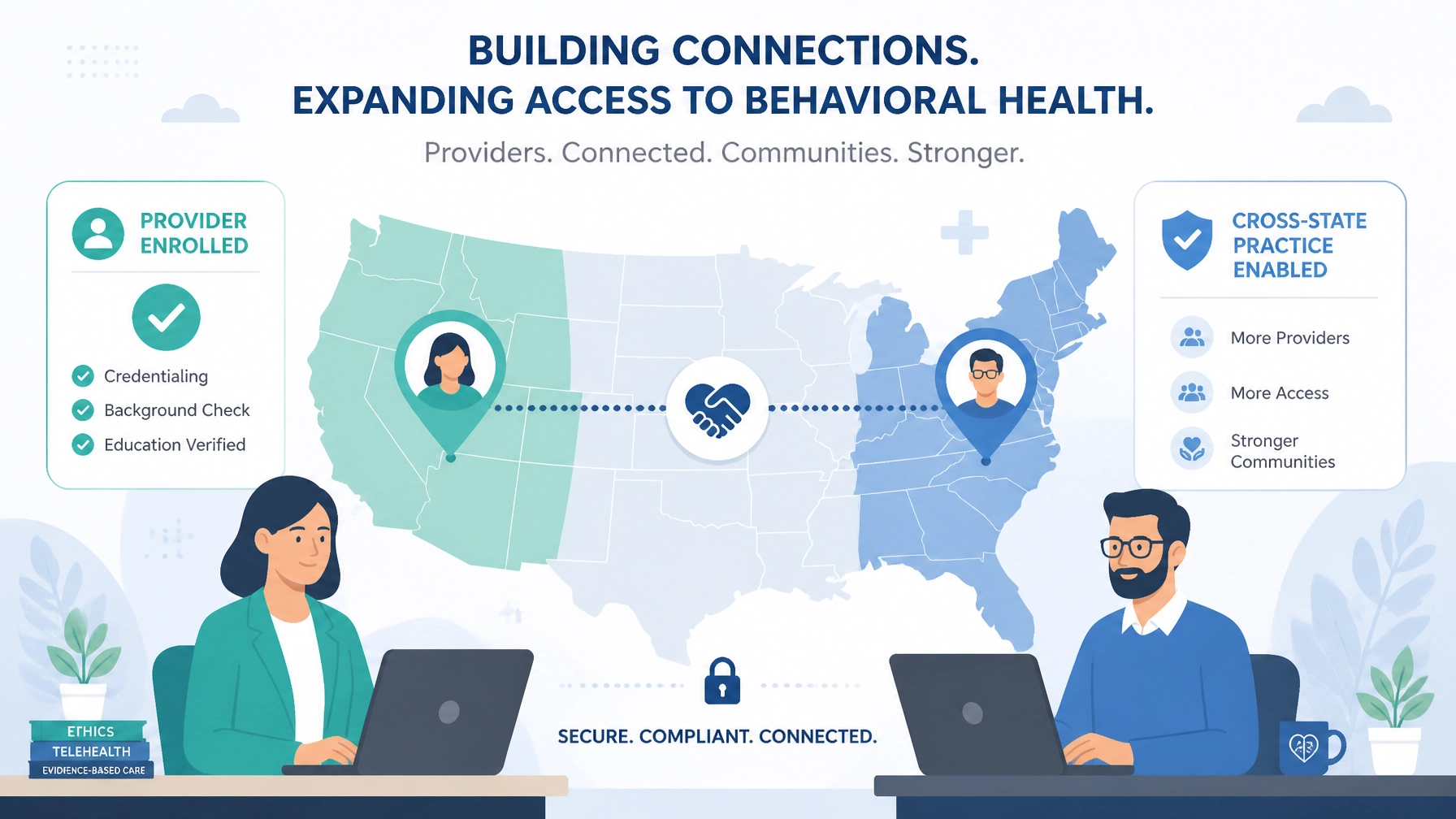
Measurement-Based Care and Behavioral Health Enrollment: What You Must Know in 2026

Measurement-based care (MBC) is no longer optional. In 2026, it is your receipt. And when you apply for Medicare or Medicaid enrollment, that receipt becomes your passport. Payers now expect measurable outcomes tied to your workflows. Therefore, when you submit or maintain behavioral health provider enrollment, you must show how you measure care, how you act on results, and how you document it. This guide explains how MBC connects to Medicare and Medicaid enrollment, how it impacts approvals, and what your clinic must do to avoid delays. Enrollment Reviews Now Demand Proof, Not Promises Enrollment used to feel like paperwork. Now, it feels like an audit. Payers want evidence that your care is organized, consistent, and trackable. As a result, MBC becomes the silent driver behind whether your application moves forward or stalls. You may see: Quality workflow requests during revalidation “Pending” status due to missing documentation Delayed network access and lost revenue If you are not enrolled, you are invisible in payer directories. That means patients cannot find you. Why MBC Directly Impacts Enrollment Success Measurement-based care proves your clinic runs on repeatable processes. From an enrollment standpoint, it supports: Network confidence: You track outcomes with validated tools Documentation strength: You produce consistent records Operational readiness: You meet reporting expectations National quality organizations like NCQA continue to push measurable care. You can review their programs at ncqa.org. The Behavioral Health Enrollment Landscape in 2026 Enrollment is now faster, tighter, and less forgiving. You will encounter: More questions tied to quality operations More site visits and desk reviews More revalidation requests with documentation demands Weak MBC workflows lead to broken enrollment timelines. What You Must Show During Enrollment Reviews Payers expect a clean, repeatable system. That includes care delivery and administrative follow-through. A. Validated Tools and Consistent Cadence Use standardized measures like: PHQ-9 for depression GAD-7 for anxiety Document your cadence clearly: intake, every 2–4 visits, and discharge. B. Closed-Loop Workflow Your documentation must show: The score The clinical interpretation The treatment adjustment The follow-up plan Each chart must tell a complete story. C. Reporting Readiness You must summarize: Percentage of patients receiving MBC Frequency of administration Rate of treatment changes tied to scores This is not research. It is enrollment readiness. What Breaks Enrollment—and How to Fix It Fast Common enrollment failures include: No written protocol Scores recorded but not discussed No central documentation Outdated rosters and demographics Fixes you can apply this month: Write a one-page MBC protocol Add required fields in your EHR Create an “Enrollment Evidence” folder Assign one owner for payer follow-ups Quality Standards That Shape Enrollment Payers align their reviews with national quality expectations. NCQA sets many of the standards that influence how behavioral health practices are evaluated. You can review their programs here: NCQA. How The Veracity Group Supports Enrollment Provider enrollment is not credentialing. Credentialing reviews qualifications. Enrollment activates billing. The Veracity Group specializes in: Medicare and Medicaid enrollment Managed care setup and maintenance Revalidation tracking MBC readiness support Veracity helps you present a file payers can approve. If you want a deeper breakdown of credentialing errors and how they derail operations, read our guide on avoiding the 85% credentialing error rate that hurts medical practices. It explains why clean credentialing matters, even though it is separate from provider enrollment. Read here- The Ultimate Guide to Provider Credentialing: How to Avoid the 85% Error Rate That’s Killing Medical Practices Conclusion: MBC Is Your Enrollment Insurance Measurement-based care protects your enrollment timeline. It is not extra work—it is the key to approvals. If you want clean, fast behavioral health provider enrollment in 2026, The Veracity Group will help you build a file that payers trust. Ready to protect your network access and shorten your enrollment timeline? Contact Veracity today. #BehavioralHealthProviderEnrollment #MedicareEnrollment #MedicaidEnrollment #MeasurementBasedCare #ProviderEnrollmentServices #BehavioralHealthOperations #RevenueCycleManagement
2026 Medicaid Changes Will Break Your Revenue Without Behavioral Health Provider Enrollment

Medicaid isn’t just changing in 2026 — it’s accelerating. Behavioral health clinics feel it first, hardest, and longest. When enrollment is late, wrong, or outdated, payment stops. It really is that simple. This post explains the behavioral health enrollment landscape you’re operating in right now. Then, it gives you a clear plan to protect billing through medical provider enrollment services that keep your clinicians active and payable. Why Medicaid’s 2026 Changes Hit Behavioral Health Clinics Hard How shifting Medicaid rules turn enrollment into a payment switch Medicaid is not just coverage. It is also a rulebook that changes midstream. When that happens, your enrollment record becomes the on/off switch for claims. This creates pressure fast. To track current program guidance, use the official Medicaid resource hub: Medicaid program rules and updates. Why behavioral health providers feel the impact first Here is what Medicaid changes trigger inside your clinic: Revalidations and updates with short timelines New documentation standards for ownership, taxonomy, service locations, and supervising relationships Cross‑checks between Medicaid and managed care files that expose mismatches More scrutiny of rendering vs. billing setups in group behavioral health settings In other words, cuts and rule changes squeeze you from both sides. Payments tighten while compliance demands increase. This creates a heavy load. In addition, network expectations stay high even when budgets tighten. That is why payer networks lean on quality frameworks and access standards from NCQA: NCQA health care quality standards and programs. Therefore, your enrollment file must stay clean so your clinicians remain listed, accessible, and payable. What Medicaid Rule Changes Trigger Inside Your Clinic New documentation and revalidation requirements Cross-checks that expose enrollment mismatches How NCQA standards influence payer expectations What Breaks First When Provider Enrollment Falls Behind Your scheduler sees “active” in the portal. Your biller sees “inactive” on the remittance. Both are right — because your enrollment file is wrong. When your enrollment slips, the damage spreads like a cracked foundation. First, it hits claims. Next, it hits staffing. Then, it hits patient access. The claims failures you can’t appeal Common consequences you will see: Denied claims you cannot appeal cleanly because the provider is not active for the date of service Retroactive effective date gaps that create write-offs and rework Provider directory problems that cause missed referrals and patient drop-off Interrupted Medicare and Medicaid enrollment for behavioral health providers, which stalls multi-payer billing Directory errors that block referrals and patient access Real-world example of an enrollment failure in behavioral health A therapist changes practice locations. The address updates in your EHR. However, the Medicaid service location update is not filed. As a result, managed care plans reject claims because the rendering provider is tied to the wrong site. Meanwhile, your billing team burns days chasing “missing information” loops. That is not a billing problem. That is an enrollment problem. Why Provider Enrollment Is the Real Revenue Lever in 2026 Enrollment vs. credentialing — the operational difference Provider enrollment is the passport your clinicians present to payers. Without it, the door stays locked. To stabilize cash flow in 2026, you must run enrollment as a controlled system, not a side task. How enrollment accuracy protects multi-payer billing Why outdated enrollment data shuts off payment How to Build a Strong Provider Enrollment System Step 1 — Standardize your enrollment data model Standardize these fields across your internal records and payer files: Legal entity name and EIN (exact match across all payers) Service locations and correspondence addresses Taxonomy and specialty mapping by provider type Rendering, billing, and supervising relationships Revalidation dates and submission receipts Therefore, when Medicaid updates rules, you respond with speed instead of scrambling. Step 2 — Create a monthly enrollment operating rhythm Enrollment is not “set it and forget it.” It is maintenance. Your monthly rhythm must include: Roster review: new hires, terminations, location moves Status checks: pending enrollments and payer follow-ups Directory verification: confirm active visibility where patients search Documentation readiness: W-9, EFT, ownership, licensure, NPI data Consequently, you prevent the slow-motion claim denial wave that kills margins. Step 3 — Assign enrollment to the right expertise Provider enrollment is not credentialing. Credentialing evaluates qualifications. Enrollment activates billing with a payer. In 2026, that distinction is not academic. It is operational. If you “credential” someone but do not enroll them correctly, claims still deny.If your enrollment is correct and kept current, you keep billing even during payer churn. Why Behavioral Health Clinics Need Specialized Enrollment Support Medicaid and managed care enrollment for groups and individuals Location changes, roster maintenance, and demographic updates Revalidation tracking and historical enrollment cleanup The Veracity Group Advantage for Behavioral Health Enrollment How Veracity keeps your clinicians active and payable The Veracity Group specializes in behavioral health provider enrollment and ongoing payer maintenance. We do not sell credentialing as the answer because credentialing is a separate process. Why our enrollment model protects revenue during Medicaid shifts Instead, Veracity focuses on the work that keeps revenue live: Medicaid and managed care enrollments for groups and individuals Location additions, demographic changes, and roster maintenance Revalidation tracking and submission follow-through Enrollment clean-up to resolve historical mismatches Bottom Line — Enrollment Is Your Revenue Gate in 2026 How to keep billing open through every Medicaid rule change You cannot budget your way out of Medicaid pressure. However, you can protect cash flow by treating enrollment as the lever that controls payment. When to bring in medical provider enrollment services If enrollment is your revenue gate, Veracity is the team that keeps it open. Talk to us before the next Medicaid rule closes it on you. Talk to The Veracity Group to strengthen your medical provider enrollment services and protect billing through every Medicaid change in 2026: Contact Veracity. #BehavioralHealthProviderEnrollment #ProviderEnrollment #Medicaid #BehavioralHealth
How Behavioral Health Clinics Can Finally Escape the Credentialing Burden

In reality, behavioral health clinics carry heavy admin burdens. Full stop. Additionally, your team is stretched thin before the first patient arrives. High staff turnover adds pressure. SUD program audits do too. Medicaid backlogs and inpatient privileging delays make it even harder. And somehow, you’re still expected to keep access open and waitlists down. It feels impossible. This is exhausting. As a result, this takes a toll. It wears people down. For many clinics, if this sounds like your daily reality, you’re not alone. And here’s the good news: you don’t have to carry this weight anymore. In fact, there is a better way. You can feel the shift. It starts now. Let’s talk about what’s draining your behavioral health clinic. Let’s also look at what real relief feels like when you hand off the admin chaos to experts. Therefore, the difference is huge. You notice it fast. The Unique Admin Weight of Behavioral Health At the same time, running a behavioral health clinic isn’t like running a general medical practice. The challenges are distinct. They are layered. The pressure is relentless. Still, it never lets up. It keeps building. It keeps coming. Consider what your team juggles on any given day: For example, clinician turnover that requires constant re-enrollment with payers Moreover, SUD treatment programs with strict audit and compliance rules Medication-Assisted Treatment (MAT) programs demanding specialized provider credentials Furthermore, Multi-state telehealth expansion that multiplies enrollment complexity exponentially Furthermore, Medicaid enrollment backlogs delay revenue for months Inpatient psychiatric privileging with hospital credentialing committees moving at their own pace Together, each of these creates bottlenecks. Stack them together and you get a clinic management nightmare. It pulls your best people away from patient care. It buries them in paperwork. As a result, this slows everything down. Every step drags. Each task takes longer. Every day gets harder. Why Provider Enrollment Is the Silent Driver of Your Stress However, here’s something important to understand: provider enrollment and credentialing are not the same thing, even though they’re often lumped together. Provider enrollment is the first step. It’s the process of getting your providers set up with payers (Medicare, Medicaid, commercial insurers, and managed care organizations) so your clinic can bill for services and get paid. Then, credentialing follows after enrollment.. It’s the process of verifying a provider’s qualifications, licenses, education, and background. It’s about proving someone is who they say they are and has the training to practice. Credentialing standards are strict and vary by payer. They follow national frameworks such as the NCQA credentialing rules. Most clinics are expected to follow these rules. That’s a lot. It adds more work. Check it out here: NCQA. As a result, the enrollment process for behavioral health providers is slow. In many cases, it is painfully slow. Research shows that behavioral health enrollment timelines can stretch to 150 days. Some payers move even slower. Consequently, this creates long delays. That’s five months of a qualified clinician sitting on your payroll. They are seeing patients. They want to help. But they generate zero reimbursable revenue. Consequently, for clinics already operating on thin margins, those delays are devastating. The damage adds up. Indeed, the impact is real. Everyone feels it. Everyone feels the strain. What’s Really at Stake When Behavioral Health Enrollment Falls Behind Let’s paint a picture. This is an illustrative scenario based on common challenges behavioral health clinics face: For example, imagine you hire two new therapists to reduce your three‑month waitlist. They are ready to work. They’re credentialed, licensed, and ready to work. But their Medicaid enrollment applications are sitting in a backlog. Commercial payers flag errors in your applications. They ask you to resubmit them. Your commercial payer applications have errors that require resubmission. And your MAT program’s new prescriber can’t bill for services until their DEA waiver enrollment is complete. Meanwhile: Patients are waiting for care they desperately need Your new hires are seeing patients but you can’t bill for their services. As a result, your revenue cycle is bleeding because claims are denied or held. Also, Your admin team is drowning in follow-ups. They’re also buried in appeals and payer phone calls. In fact, this isn’t a hypothetical worst-case scenario. It’s the norm. This is Tuesday for most behavioral health clinics. In fact, it happens every week. It becomes routine. It never stops. Enrollment delays cost more than lost revenue. They hit hard. They create deeper problems. It affects staff morale. Patient outcomes suffer too. The delays also limit your clinic’s ability to grow. As a result, your team spends 40% of their time chasing payer enrollment. They lose time for clinical operations. Something has to give. It often does. Too often. Imagine Your Clinic Without the Enrollment Burden Next, let’s flip the script. What would your workflow look like if provider enrollment wasn’t your problem anymore? Picture this: New hires are enrolled proactively before their start date, so they’re billing-ready on day one Multi‑state telehealth expansion runs smoothly when someone else manages the payer rules. Each state becomes easier to handle. That helps a lot. As a result, that saves time. Time your team needs. Medicaid and Medicare enrollment moves forward without your team making daily phone calls to check status Our team tracks and handles every re‑credentialing and re‑enrollment deadline automatically: no more last-minute scrambles Your admin staff focuses on patient scheduling, intake, and care coordination instead of paperwork That’s not a fantasy. That’s what happens when you partner with a team that specializes in behavioral health provider enrollment and takes the payer chaos off your plate. Why Behavioral Health Enrollment Requires Specialized Expertise In fact, not all enrollment is created equal. Behavioral health clinics face unique challenges that general enrollment services often miss: 1. SUD and MAT Program Rules Additionally, substance use disorder treatment and MAT programs have specific enrollment pathways. Prescribers need DEA registrations and DATA waiver documentation. They also need enrollment with payers who cover these services. Miss a step, and your claims get denied. 2. Inpatient
Monthly Credential Monitoring in 2026: 7 Common Mistakes That Could Cost Your Clinic

As of 2026, NCQA's monthly credential monitoring expectations are the established standard across the industry. If your practice is still operating under quarterly or annual monitoring systems, you're not just behind: you're actively exposing your organization to compliance violations, revenue disruptions, and regulatory penalties. The cost of non-compliance isn't hypothetical. Healthcare organizations face immediate reimbursement delays, potential exclusions from payer networks, and mounting administrative burdens when their provider enrollment monitoring falls short of these new standards. Your current monitoring approach will determine whether your practice thrives or struggles under these standards. Most healthcare organizations are making critical mistakes that will cost them significantly in 2026 and beyond. The High Stakes of Monthly Monitoring Compliance Before diving into the specific mistakes, understand what's at stake. Monthly monitoring compliance directly impacts your revenue cycle, operational efficiency, and regulatory standing. Organizations that fail to adapt face: 30-day response windows for addressing expired credentials Increased verification volumes from roughly 800 annual checks to over 10,000 for typical practices Enhanced audit requirements with rigorous documentation standards Potential network exclusions for non-compliance The financial implications are immediate and severe. Every day of non-compliance increases your exposure to reimbursement delays and regulatory action. Mistake #1: Relying on Manual Tracking Systems Manual processes consume 60-75% of credentialing staff time, leaving minimal capacity for strategic work or compliance management. If your practice still uses Excel spreadsheets, paper calendars, or manual reminder systems for tracking provider credentials, you're operating with a system that cannot scale to meet monthly monitoring demands. Manual tracking fails because: Human error rates increase exponentially with higher verification volumes Staff burnout accelerates when administrative burdens multiply Response times lag when critical expirations require immediate attention Audit trails remain incomplete without automated documentation The solution requires immediate technology investment. Automated monitoring systems integrate with licensing boards, OIG databases, and payer systems to provide real-time status updates and automated alerts. Mistake #2: Incomplete Monitoring Scope Many organizations monitor only sanctions lists, missing three other critical verification areas mandated under NCQA standards: License status verification across all practice states OIG exclusion list monitoring for federal program participation SAM.gov debarment checks for government contract eligibility State disciplinary action tracking for professional misconduct Partial monitoring creates compliance gaps that expose your practice to regulatory penalties. Each missed verification area represents a potential point of failure during payer audits or regulatory reviews. Your monitoring system must verify all four areas monthly for every enrolled provider. Selective monitoring is non-compliant monitoring. Mistake #3: Missing the 30-Day Response Window NCQA standards require a strict 30-day window for addressing expired or lapsed credentials. Organizations without automated alert systems consistently miss these deadlines, creating immediate compliance violations. The 30-day clock starts when an expiration occurs, not when you discover it. Late discovery means even less time to remediate issues and maintain compliance standing. Effective response systems must: Alert stakeholders immediately when expirations occur Escalate notifications when initial alerts go unaddressed Track response times to ensure compliance with deadlines Document all remediation efforts for audit purposes Missing the 30-day window triggers automatic compliance violations that can affect your organization's standing with multiple payers simultaneously. Mistake #4: Inadequate Technology Infrastructure Most healthcare organizations' current systems cannot support the 10x increase in verification volume that monthly monitoring requires. Legacy credentialing management systems lack: Real-time integration with external verification databases Automated workflow capabilities for high-volume processing Custom reporting functions for compliance documentation Multi-user access controls for distributed team management Technology gaps create operational bottlenecks that prevent timely compliance and increase administrative costs. Your infrastructure investment must happen before compliance deadlines, not after. Implementing new systems while managing compliance violations creates exponentially more complexity and cost. Mistake #5: Insufficient Staffing for Increased Workload The shift to monthly monitoring increases verification workload by approximately 1,200% annually. A typical 500-bed hospital must process roughly 10,000 annual verifications instead of the previous 800. Current staffing levels cannot absorb this increase without significant productivity losses or quality compromises. Organizations must either: Hire additional credentialing specialists to manage increased volume Implement automation solutions that reduce per-verification time requirements Outsource monitoring functions to specialized service providers Understaffed credentialing departments create immediate compliance risks that compound over time as verification backlogs grow. The staffing calculation is straightforward: each additional 1,000 annual verifications requires approximately 0.3 FTE credentialing staff under manual processes, or 0.1 FTE with automated systems. Mistake #6: Poor Data Integrity and Documentation NCQA's enhanced audit requirements demand comprehensive documentation of every verification activity, including: Who performed each verification When verification occurred What databases were checked Results of each verification Actions taken on any exceptions Manual documentation systems cannot maintain this level of detail across thousands of monthly verifications. Poor data integrity creates audit vulnerabilities that expose organizations to compliance penalties. Your documentation system must automatically capture and store every verification event with timestamp and user identification. Incomplete audit trails equal compliance failures during regulatory reviews. Mistake #7: Neglecting Staff Training on New Requirements NCQA standards require comprehensive staff training for all credentialing and administrative team members. Many organizations defer training investments, leaving staff unprepared for implementation requirements. Untrained staff create compliance gaps through: Misunderstanding new verification requirements Improper use of monitoring systems Inadequate response protocols for identified issues Poor documentation practices that compromise audit readiness Annual training must cover: Updated verification requirements and timelines New system functionalities and workflows Escalation procedures for compliance issues Documentation standards for audit preparation Staff training is not optional: it's a compliance requirement that directly affects your organization's ability to meet monitoring standards. The True Cost of Non-Compliance Organizations that fail to address these seven mistakes face mounting costs: Immediate revenue disruptions from delayed reimbursements Regulatory penalties for compliance violations Increased administrative costs for remediation efforts Potential network exclusions that limit patient access Competitive disadvantages in payer negotiations The cost of prevention is significantly lower than the cost of remediation. Organizations that invest proactively in compliance systems avoid the exponential costs of playing catch-up under regulatory pressure. Taking Action on Monthly Monitoring Compliance Your response to these requirements will determine
Stop Wasting Money on Credentialing Errors: 5 Steps to Protect Your Medical Clinic's Revenue Cycle

Credentialing errors cost healthcare practices $2,750 per day in lost revenue: that's nearly $247,000 in just 90 days of delays. But here's what most practice managers don't realize: many of these costly "credentialing errors" actually stem from provider enrollment mistakes that happen long before the credentialing process even begins. While credentialing verifies your qualifications, provider enrollment is the critical gateway that gets you into insurance networks and enables you to bill for services. When provider enrollment goes wrong, your entire revenue cycle suffers: regardless of how pristine your credentials are. The distinction matters. Credentialing proves you're qualified to practice medicine. Provider enrollment proves you're qualified to get paid by specific insurance networks. Miss a step in provider enrollment, and you'll watch revenue walk out the door while your perfectly credentialed providers sit idle. The Hidden Cost of Provider Enrollment Errors Hospitals collectively spend $20 billion annually fighting denied claims, with each reworked claim averaging $118. Many of these denials trace back to enrollment issues that could have been prevented with proper provider enrollment management. When your provider enrollment process breaks down, you're not just losing money: you're hemorrhaging it. Uncredentialed providers leak approximately $2,750 per day in revenue, but enrolled providers with enrollment errors can lose even more because they're already seeing patients who expect to be covered. Your practice can't afford these mistakes. Every day a provider remains unenrolled or incorrectly enrolled with insurance networks represents thousands in lost revenue and mounting administrative costs. Step 1: Master Your Provider Enrollment Timeline Management Establish continuous compliance monitoring by understanding your re-enrollment and renewal timeline across all payers. Unlike credentialing which typically occurs every 2-3 years, provider enrollment deadlines vary significantly by insurance network, state requirements, and provider type. Create a comprehensive tracking system that monitors: Medicare enrollment renewals (required every 5 years) Medicaid enrollment deadlines (varies by state) Commercial payer enrollment requirements (typically annual or biannual) State-specific enrollment mandates for multi-state practices Missing these deadlines results in immediate suspension from payer networks, halting reimbursements entirely. Your practice management system must flag these dates at least 90 days in advance to prevent revenue disruption. The stakes are too high for manual tracking. Implement automated alerts that trigger enrollment renewal processes before deadlines approach. This proactive approach prevents the costly reactive scramble that leads to enrollment gaps. Step 2: Implement Rock-Solid Primary Source Verification for Enrollment Accurate documentation is your first line of defense against enrollment delays and denials. Payers conduct rigorous primary source verification during the enrollment process, and incomplete or inaccurate information triggers immediate rejections. Your provider enrollment documentation checklist must include: Current state medical licenses with verification of standing DEA registrations and controlled substance certificates Malpractice insurance policies meeting network requirements Tax identification numbers (both individual and group) Practice location information with accurate addresses Hospital affiliation documentation where required Meticulous record-keeping prevents enrollment delays. Establish a centralized system where all enrollment documentation is stored, updated, and easily accessible. When payers request additional information during enrollment review, you need immediate access to avoid processing delays. Don't rely on outdated information. Verify all documentation is current before submission. Expired licenses or lapsed insurance policies will derail your enrollment application and restart the entire process. Step 3: Streamline Your Provider Enrollment Workflow Reduce administrative burden by removing unnecessary steps while maintaining strict compliance standards. Inefficient enrollment processes contribute to the $60 billion spent on administrative tasks, with 15% representing pure administrative waste. Your streamlined provider enrollment workflow should eliminate: Duplicate data entry across multiple systems Manual tracking of application statuses Chasing providers for routine documentation updates Redundant verification of the same information Implement a standardized process that moves enrollment applications through clearly defined stages: documentation gathering, verification, submission, follow-up, and completion tracking. Each stage should have defined timelines and automatic escalation triggers. Technology is your competitive advantage. Manual enrollment processes are error-prone and time-intensive. Practices that automate their enrollment workflows see 30% faster processing times and significantly fewer errors. Step 4: Leverage Provider Enrollment Technology Solutions Integrate practice management software that automates enrollment documentation storage, application tracking, and renewal monitoring. Digital systems eliminate the manual interventions that create bottlenecks and errors in traditional enrollment processes. Your technology stack should include: Centralized enrollment database for all provider information Automated renewal alerts tied to specific payer requirements Application status tracking with real-time updates Digital document storage with easy retrieval capabilities Integration capabilities with major payer portals Digital enrollment management reduces errors by 40% compared to manual processes. When enrollment information is automatically populated and verified, you eliminate the transcription errors that plague paper-based systems. Choose solutions that scale. As your practice grows and adds providers, your enrollment technology must accommodate increased volume without proportional increases in administrative overhead. Step 5: Master Multi-State Provider Enrollment Strategies Use specialized provider enrollment expertise to navigate complex multi-state requirements that vary significantly across jurisdictions. Each state has unique enrollment requirements, deadlines, and compliance standards that can derail inexperienced practices. Multi-state enrollment complexity includes: Varying state licensing requirements for telemedicine practice Different Medicaid enrollment processes by state State-specific documentation standards for provider verification Unique renewal timelines that don't align across states Consider delegated enrollment services to expedite complex multi-state applications. Professional enrollment specialists understand the nuances of each state's requirements and can navigate the process more efficiently than internal staff learning on the job. This approach standardizes applications, reduces compliance risks, and improves provider recruitment by offering a smoother entry point into multiple state networks. When providers can practice across state lines without enrollment delays, your practice captures more revenue opportunities. Specialized enrollment services also provide ongoing monitoring of state requirement changes that could affect your enrolled status. Staying ahead of regulatory changes protects your practice from unexpected enrollment disruptions. Protecting Your Revenue Cycle Starts Now Provider enrollment errors are revenue killers that most practices discover too late. By the time enrollment problems surface, you've already lost thousands in revenue and created administrative chaos that takes months to resolve. The cost of inaction is measurable: $2,750 per day
A Day in the Life of a Clinic Manager: The Real Stress Behind the Scenes

The following is a composite narrative based on common experiences shared by clinic managers across the healthcare industry. While the character and specific details are illustrative, the challenges depicted reflect real situations faced daily by healthcare administrators nationwide. 6:45 AM: The Calm Before the Storm Sarah arrives at the clinic 45 minutes before opening, clutching her third cup of coffee. The parking lot is empty, the phones are silent, and for exactly twelve minutes, she experiences something resembling peace. She uses this precious time to review yesterday’s provider enrollment deadline alerts and check for any overnight insurance updates that could derail her carefully planned day. Her phone buzzes. A text from the front desk coordinator: “Can’t come in today – kid has fever.” Sarah’s stomach drops. Staffing shortages have become her constant companion, and today’s schedule is already packed with new patient appointments. 7:30 AM: When Everything Hits at Once The doors unlock and chaos immediately floods in. Within fifteen minutes, Sarah is juggling: Two insurance companies that have mysteriously “lost” provider enrollment applications submitted weeks ago A frustrated physician asking why his Medicare enrollment is still pending after 90 days A pharmacy calling about a prior authorization that requires immediate attention The phone system going down (because of course it is) The reality of clinic management isn’t found in any job description. It’s the art of performing miracles while maintaining a professional smile, even when your internal systems are screaming. 10:15 AM: The Credentialing Crisis Dr. Martinez storms into Sarah’s office, waving a denial letter. His provider enrollment application with a major insurance network has been rejected because of a single missing signature on page 47 of a 52-page document. The insurance company’s deadline for resubmission? Tomorrow. Sarah knows this means: Three hours minimum to locate, print, re-complete, and overnight the corrected application Potential revenue delays of 60-90 days if they miss the deadline An angry physician who won’t understand why “simple paperwork” takes so long Meanwhile, her email inbox shows 23 new messages, including urgent requests for demographic updates from four different insurance companies, each with their own unique portal and requirements. 12:30 PM: Lunch? What’s Lunch? Sarah’s supposed lunch break becomes a crisis management session. The morning’s staffing shortage has created a domino effect: Appointment scheduling is behind by 45 minutes Patients are getting restless in the waiting room The remaining staff is overwhelmed and looking to Sarah for solutions she doesn’t have She spends her “lunch” calling temporary staffing agencies, knowing full well that bringing in unfamiliar staff creates new challenges with CAQH profiles and system access permissions. Her sandwich sits untouched as she explains to an increasingly frustrated patient why their appointment needs to be rescheduled. Again. 2:45 PM: The Audit Surprise Nothing quite compares to the panic-inducing phrase: “Hi, we’re from [Insurance Company] and we’re here for an unannounced audit.” Sarah’s afternoon transforms into an archaeological expedition through filing cabinets, searching for documentation that may or may not exist in the format they want. Provider enrollment documentation, credentialing certificates, and compliance records must be produced immediately, while she simultaneously manages: Ongoing patient care operations that can’t be interrupted Staff questions about procedures they’ve never encountered The growing pile of administrative tasks that still need completion by day’s end 4:30 PM: The Emotional Toll By late afternoon, Sarah realizes she hasn’t had a real conversation with her family in days. Every evening phone call home is interrupted by urgent clinic issues. Every weekend includes at least two hours of “quick” administrative catch-up that somehow expands to consume entire afternoons. The invisible stress of clinic management isn’t just about missed deadlines or insurance complications. It’s about: Caring too much about patient access while fighting systems designed to complicate it Absorbing everyone else’s frustration while maintaining professional composure Making critical decisions without complete information under impossible time constraints Being responsible for everything while having control over very little 6:15 PM: After Hours, Before Tomorrow Even after the last patient leaves, Sarah’s day isn’t over. She stays late to: Complete provider enrollment applications that require uninterrupted focus Research new insurance requirements that seem to change weekly Prepare tomorrow’s crisis management strategy Answer emails that accumulated during the day’s firefighting Her computer screen glows in the empty office as she updates spreadsheets that track dozens of pending enrollments, each with different deadlines, requirements, and contact information. Breaking the Cycle: Small Steps Toward Sanity The reality is this: clinic management stress isn’t going away completely, but it can become manageable with the right strategies and support systems. Immediate Stress-Relief Tactics Set Communication Boundaries: Establish specific hours for non-emergency insurance calls and emails. Your mental health requires protected time. Create Buffer Systems: Build 15-minute buffers into daily schedules. When everything goes wrong (and it will), you’ll have breathing room instead of cascading delays. Delegate Strategically: Train multiple staff members on provider enrollment processes and insurance portal navigation. Single points of failure create unnecessary pressure. Long-Term Sustainability Solutions Invest in Relationship Building: Develop direct contacts at major insurance companies. A real person who knows your clinic can resolve issues faster than automated systems ever will. Document Everything: Create detailed process guides for common provider enrollment scenarios. When crisis hits, you need step-by-step instructions, not improvisation. Recognize When to Get Help: Some administrative burdens require specialized expertise. Professional provider enrollment services can handle complex multi-state applications and insurance relationship management while you focus on patient care and staff leadership. The Path Forward Sarah’s story isn’t unique: it’s replicated in clinics across the country every single day. Healthcare administrators carry enormous responsibility for keeping practices operational while navigating increasingly complex regulatory and insurance landscapes. The cost of handling everything in-house extends far beyond overtime hours and missed family dinners. It impacts decision-making quality, staff morale, patient satisfaction, and ultimately, your practice’s financial health. Smart clinic managers recognize that asking for help isn’t admission of failure: it’s strategic leadership. Whether that means hiring additional administrative staff, implementing better systems, or partnering with specialized provider
The Dentist's Dilemma: Why Dental Provider Enrollment Gets Delayed (and What Actually Works)

Dental provider enrollment presents unique challenges that medical practices rarely face. Unlike medical provider enrollment, dental enrollment involves restricted panel access, complex fee schedule negotiations, and payer-specific requirements that can derail your revenue cycle for months. For dental practice owners and office managers navigating 2026’s evolving insurance landscape, understanding these dental-specific enrollment obstacles is crucial for maintaining cash flow and patient access. The Dental Panel Limitation Crisis Closed dental panels represent the biggest enrollment roadblock facing dental practices today. While medical providers typically enjoy open enrollment periods with most commercial payers, dental insurance companies severely limit panel access to control costs and provider networks. Delta Dental, the nation’s largest dental insurer, maintains strict panel restrictions in most markets. When panels do open, they often close within 24-48 hours due to overwhelming demand. Your practice might wait 6-12 months for the next enrollment opportunity, during which time you’re losing potential patients who can’t access in-network benefits. Medicaid dental panels present even greater challenges. Many states limit Medicaid dental provider participation to control program costs, creating waiting lists that can extend beyond a year. Unlike medical Medicaid enrollment, which typically processes within 60-90 days, dental Medicaid enrollment often requires pre-approval and may involve lottery systems or geographic restrictions. Fee Schedule Negotiations: The Dental Difference Dental fee schedule negotiations operate fundamentally differently from medical contracting. While medical providers often accept standardized fee schedules based on Medicare rates, dental practices face procedure-specific negotiations that can make or break profitability. Insurance companies evaluate dental practices based on procedure mix, patient volume projections, and geographic market saturation. A practice heavily focused on cosmetic procedures might face different fee schedule offers than one emphasizing preventive care. This complexity means your enrollment timeline extends beyond simple application processing to include back-and-forth fee negotiations that can add 30-60 days to your enrollment timeline. PPO versus DMO enrollment creates additional complications. Dental PPOs typically allow more fee schedule flexibility, while DMOs often require capitation agreements and risk-sharing arrangements that demand extensive financial documentation and board approval. Medicare and Medicaid Dental: The Enrollment Maze Medicare dental coverage expansion in recent years has created new enrollment opportunities: and new complications. Medicare Advantage plans increasingly offer dental benefits, but enrollment requirements vary dramatically between plans and require separate applications for each plan’s dental component. Your practice must navigate dual enrollment processes: one for the Medicare Advantage medical component and another for the dental rider. Each component has different credentialing requirements, timelines, and fee structures. The medical side might approve your enrollment while the dental component remains pending for additional weeks. Medicaid dental enrollment involves state-specific complications that medical providers rarely encounter. Some states contract dental services through managed care organizations (MCOs), requiring separate enrollment with each MCO in addition to state Medicaid enrollment. Other states maintain fee-for-service dental programs with different enrollment portals and requirements than medical Medicaid. Dental Specialty Enrollment Complexities Dental specialty enrollment faces unique hurdles that general medical specialties don’t encounter. Orthodontists, oral surgeons, periodontists, and endodontists must often demonstrate case volume minimums and outcome metrics specific to their specialty. Insurance companies scrutinize dental specialists more intensively than medical specialists due to higher procedure costs and potential for elective treatment. Your orthodontic practice might need to provide treatment outcome data, patient satisfaction scores, and detailed procedure protocols during enrollment: requirements rarely imposed on medical specialists. Pediatric dental specialty enrollment involves additional complexity with EPSDT compliance for Medicaid patients and specialized screening requirements that extend enrollment timelines. Unlike pediatric medical providers who follow standard credentialing, pediatric dentists must demonstrate specific training certifications and facility requirements for treating young patients. Staff Credentialing Confusion in Dental Settings Dental office staff credentialing creates confusion because dental practices operate differently from medical practices in terms of mid-level providers and support staff roles. Dental hygienists, dental assistants, and dental therapists (in states where permitted) each have different enrollment requirements that your office manager must navigate. Dental hygienists require separate enrollment with most insurance plans, unlike medical offices where nurses are typically covered under physician enrollments. Your practice must manage dual enrollment timelines: one for the dentist and separate applications for hygienists: which creates coordination challenges and potential delays. Expanded function dental auxiliaries in some states face additional enrollment complexity because insurance companies haven’t standardized their credentialing requirements for these newer roles. Your practice might wait months for payers to develop enrollment processes for dental therapists or expanded function dental assistants. What Actually Works: Dental-Specific Solutions Start with Panel Monitoring Systems Implement automated panel monitoring for dental insurance companies in your market area. Unlike medical enrollment where panels stay open, dental panels require constant vigilance to identify enrollment windows. Use monitoring services that alert you within hours of panel openings rather than discovering opportunities weeks later. Maintain “enrollment-ready” documentation so you can submit applications immediately when panels open. Pre-complete applications for major dental insurers and update them quarterly to ensure instant submission capability when opportunities arise. Master the Fee Schedule Strategy Analyze your procedure mix before entering fee negotiations. Understanding your top 20 procedures by volume and revenue allows you to prioritize negotiation points and identify acceptable compromise areas. Don’t treat all procedures equally: focus negotiations on your highest-volume services. Research market rates for dental procedures in your geographic area. Unlike medical fee schedules that often follow Medicare guidelines, dental rates vary significantly by market. Use this data to negotiate from an informed position and avoid accepting below-market fees. Navigate Medicare/Medicaid Dental Strategically Separate your Medicare Advantage dental strategy from traditional dental insurance enrollment. Medicare Advantage dental components often require different timelines and documentation than commercial dental plans. Submit these applications during specific enrollment periods and prepare for longer processing times. Understand your state’s Medicaid dental structure before beginning enrollment. States using MCO models require multiple separate enrollments, while fee-for-service states streamline the process. Contact your state dental association for state-specific guidance that generic enrollment advice doesn’t provide. Streamline Specialty Enrollment Prepare specialty-specific documentation in advance of enrollment applications. Orthodontists should maintain case outcome databases, oral
Credentialing for Concierge Medical Practices: What's Different (and What Still Stinks)

Let’s clear something up right away: credentialing and provider enrollment are two distinct processes, and understanding this difference becomes crucial when you’re operating a concierge medical practice. While credentialing verifies your qualifications and competency, provider enrollment gets you actually contracted and able to bill insurance networks: and that’s where concierge practices face their biggest strategic decisions. Most practices assume these processes are identical, but provider enrollment for concierge medicine creates unique challenges and opportunities that traditional fee-for-service practices never encounter. The enrollment landscape shifts dramatically when you’re operating outside conventional insurance models. The Provider Enrollment Reality for Concierge Practices Provider enrollment becomes optional: but only sometimes. Here’s where concierge practices get their first major advantage: if you’re operating a pure direct-pay model, you can bypass the entire insurance provider enrollment maze. No more waiting months for network approvals, no more dealing with enrollment application rejections, and no more revenue delays while your applications sit in processing queues. However, this “freedom” comes with a catch that many concierge practices discover too late. Hybrid models create enrollment complexity. Most successful concierge practices don’t operate as pure cash-only businesses. They maintain relationships with certain insurance networks, accept Medicare patients, or provide services that require network participation. This means concierge practice insurance enrollment requirements become more complex, not simpler, because you’re managing selective network participation rather than comprehensive coverage. The enrollment timeline doesn’t disappear: it just changes. While traditional practices enroll with every major network in their area, concierge practices must strategically select which networks align with their patient demographics and service model. This selective approach requires more careful planning, but it also means fewer enrollment applications and faster implementation once you identify your target networks. What’s Genuinely Different About Concierge Provider Enrollment Revenue impact calculations change completely. In traditional practices, every day without network enrollment represents lost revenue from potential patients. For concierge practices, the calculation becomes more nuanced: direct pay medical practice enrollment process decisions must balance membership revenue against insurance reimbursement opportunities. Documentation requirements shift focus. Your enrollment applications need to clearly articulate your practice model to avoid confusion during the review process. Enrollment specialists frequently encounter applications that get flagged or delayed because reviewers don’t understand how concierge services interact with insurance benefits. Network termination becomes strategic. Traditional practices rarely terminate insurance contracts unless they’re forced to. Concierge practices routinely evaluate whether maintaining specific network relationships serves their business model, leading to more frequent enrollment changes and updates. Patient responsibility documentation intensifies. When you do maintain insurance relationships, your enrollment must clearly establish how your membership fees interact with insurance benefits. This requires more detailed contract language and clearer documentation of covered versus non-covered services. The Persistent Enrollment Pain Points (What Still Stinks) Medicare enrollment rules don’t bend for anyone. If you serve Medicare patients, you cannot escape the Medicare provider enrollment requirements, regardless of your practice model. You must maintain active PECOS enrollment, comply with Medicare regulations, and clearly separate membership services from Medicare-covered services. Concierge medicine provider network enrollment for Medicare requires constant vigilance to avoid compliance violations. State-by-state enrollment variations multiply complexity. Each state handles provider enrollment differently, and concierge practices often face additional scrutiny during the application process. Some states require additional documentation explaining your practice model, while others have specific regulations governing how membership fees can be structured alongside insurance relationships. CAQH applications remain mandatory. Even if you’re enrolled with fewer networks, you still must maintain current CAQH profiles for any insurance relationships you do maintain. The administrative burden doesn’t disappear: it just focuses on fewer but more strategically important relationships. Enrollment changes trigger cascading updates. When concierge practices modify their service models, add or remove insurance relationships, or change their legal structure, the enrollment update process becomes more complex because each change affects how your practice model is documented across multiple systems. Insurance directory accuracy becomes critical. Cash-only practice enrollment challenges include ensuring that provider directories accurately reflect your participation status. Patients often assume you accept their insurance based on directory listings, creating confusion when they discover your concierge model during appointment scheduling. Prior authorization relationships get complicated. Some concierge practices maintain network relationships specifically to streamline prior authorization processes for their patients, but this creates enrollment complexity because you’re enrolled but not necessarily billing for all services. The Hidden Enrollment Advantages Nobody Mentions Faster enrollment processing for selective applications. When you apply to fewer networks, you can invest more time in ensuring each application is complete and accurate, resulting in faster approval times and fewer rejections. Stronger negotiating position. Concierge practices with established patient bases can often negotiate better contract terms during enrollment because they represent lower administrative costs and more predictable patient volumes. Simplified compliance monitoring. With fewer network relationships, ongoing compliance monitoring becomes more manageable, reducing the risk of enrollment issues that could disrupt your practice operations. Cleaner revenue cycle management. Selective enrollment means fewer payer relationships to manage, cleaner billing processes, and reduced complexity in your revenue cycle operations. Making Strategic Enrollment Decisions Evaluate your patient demographics first. Before making any enrollment decisions, analyze your current and target patient populations to determine which insurance relationships will serve your practice goals most effectively. Document your practice model clearly. Ensure that all enrollment applications clearly explain how your concierge model works, what services are included in membership fees, and how insurance benefits apply to your patients. Plan for enrollment changes. Build flexibility into your practice model that allows for enrollment changes as your patient base evolves and your strategic priorities shift. Maintain compliance documentation. Keep detailed records of how your membership fees interact with insurance benefits to avoid compliance issues during enrollment audits or reviews. Related Reading: Enrollment Strategies for Modern Practices If you’re looking to get even more strategic about navigating credentialing and enrollment—especially as these models evolve—check out our practical guide: Top 5 Ways to Simplify Provider Enrollment in 2026: CAQH Help & More for Busy Clinics. This post breaks down how you can leverage better workflows, tech-enabled solutions,
Measles Is Back : And It's Not Just a Public Health Story

Measles outbreaks are spreading again : and the real story isn't the virus. It's the system. While headlines focus on vaccination rates and herd immunity, the operational reality hitting clinics is far more immediate: workflow chaos, enrollment bottlenecks, and staffing shortages colliding with preventable disease surges that no one saw coming. This isn't epidemiology. It's administrative math gone wrong. The Numbers Tell a Different Story 2,012 confirmed measles cases across 50 documented outbreaks in the United States as of late December 2025. That's the highest case count since measles was declared eliminated in 2000, with 87% of cases tied to sustained community transmission. But here's what those numbers don't capture: the downstream operational impact. In October 2025, measles exposures at Chicago O'Hare and Atlanta Hartsfield-Jackson airports triggered contact tracing that identified over 400 potential exposures. Within 72 hours, pediatric clinics across both metropolitan areas saw appointment volumes spike 300% as parents sought immediate MMR vaccinations and exposure consultations. The problem? Half of those clinics were operating with incomplete pediatric provider rosters due to ongoing healthcare provider enrollment delays with major insurers including Aetna, Cigna, and United Healthcare. Translation: preventable chaos. When Public Health Meets Private Practice Reality Measles doesn't just create patient volume : it creates administrative volume. And that's where clinics get blindsided. Here's what actually happens when measles hits your market: Immediate surge demand for MMR vaccinations across all age groups, not just pediatric patients. Adults without clear vaccination records flood family medicine and urgent care centers seeking immunization documentation and catch-up vaccines. Insurance verification bottlenecks as parents demand same-day appointments for children potentially exposed at schools, daycares, or travel hubs. When your healthcare provider enrollment with key payers isn't current, those revenue-generating visits turn into administrative nightmares. Workflow disruption as clinical staff pivot from routine care to outbreak response protocols, documentation requirements, and coordination with local health departments. The operational math is brutal: more patients, more complexity, same staffing levels. The Enrollment Angle No One Discusses Measles outbreaks expose every weakness in your provider enrollment infrastructure. In South Carolina : one of the hardest-hit states with 126 confirmed cases : multiple pediatric practices discovered their newly hired providers weren't fully enrolled with Medicaid and BCBS Blue Cross Blue Shield when demand spiked. Result: delayed care, denied claims, and revenue loss during the exact period when patient volume was highest. Mental health providers saw similar disruptions as parents sought counseling services for children experiencing anxiety around illness exposure and school closures. Practices with incomplete mental health credentialing and enrollment status couldn't capitalize on urgent referrals. Even telemedicine providers faced challenges. When physical practices reached capacity, telehealth became the overflow option : but only for providers with current insurance provider enrollment across multiple payers and states. What's Actually Breaking Down The measles resurgence isn't just about vaccination coverage dropping from 95.2% to 92.7% among kindergarteners. It's about system readiness when preventable diseases return. Provider enrollment delays that were manageable during routine operations become critical bottlenecks when demand surges. CAQH support processes that typically take 60-90 days suddenly need to be expedited when new pediatric providers are essential for outbreak response. Credentialing services for medical practices that seemed adequate for baseline patient loads can't handle the administrative complexity of outbreak documentation, reporting requirements, and coordinated care protocols. Demographic update services become essential when practices need to rapidly onboard locum tenens providers or expand telehealth capabilities to serve patients across state lines. The Pediatric Bottleneck 26% of measles cases occurred in children under 5 : exactly the demographic most dependent on timely access to pediatric providers. But pediatric practices face unique enrollment challenges that measles outbreaks amplify. Medicaid and Medi-Cal enrollment processes for pediatric providers involve additional documentation requirements and longer processing times. When measles hits communities with high Medicaid enrollment, practices without current pediatric provider enrollment can't serve the patients who need them most. Tricare enrollment becomes critical when outbreaks affect military communities. Humana and Wellcare networks need to be current when Medicare-eligible grandparents seek vaccination consultations to protect infant grandchildren. The specialty demand extends beyond primary care. Measles complications can require infectious disease specialists, neurology consultations for encephalitis concerns, and even dermatology referrals for severe rash presentations. What Clinics Must Do Now Measles outbreaks will continue through 2025 and beyond. Operational readiness is the difference between capitalizing on surge demand and losing revenue to administrative chaos. Audit your pediatric and family medicine provider enrollment status across all major payers immediately. Focus on Medicare, Medicaid, Aetna, Cigna, United Healthcare, and BCBS networks where most vaccination visits will be processed. Verify your urgent care and telemedicine capabilities with current payers. Measles exposure consultations often require same-day or next-day appointments that urgent care models can capture : if enrollment is current. Update your CAQH profiles for all providers who might handle vaccination consultations, including internal medicine, family medicine, and pediatric specialists. Demographic changes, specialty additions, or location updates that seemed optional become essential during outbreaks. Confirm your mental health provider enrollment status. Outbreak anxiety, school closure stress, and health-related fears drive significant behavioral health demand that practices can capture with proper network participation. Review your credentialing services arrangement. Can your current vendor expedite enrollment for locum tenens providers if your regular staff becomes overwhelmed? Can they handle multi-state enrollment if you need to expand telemedicine coverage? The Revenue Reality 11% of confirmed measles cases required hospitalization in 2025 : but that doesn't capture the full economic impact on outpatient practices. Every measles exposure generates multiple patient encounters: initial consultation, vaccination administration, follow-up monitoring, and family counseling. Practices with current provider enrollment across all relevant networks can capture this demand. Practices with enrollment gaps lose revenue to competitors or delay care. Hospital systems with employed physician groups and current multiplan, healthsmart, and oscar network participation saw measles-related visits generate significant additional revenue during outbreak periods. Independent practices without comprehensive enrollment watched patients seek care elsewhere. The math is straightforward: outbreak-driven demand multiplies both opportunity and operational stress. Practices with robust healthcare provider