Veracity upscaled revised

Weekend Update: The 15-Day Rule & New State Laws You Can’t Ignore

Z qMeKs Efj

March 2026 is delivering real, operationally relevant enrollment news—the kind that makes or breaks access and cash flow. If your providers are not enrolled and active, your practice does not get paid. Full stop. At The Veracity Group, we translate regulation into execution so you keep providers billable, audit-ready, and ready to scale across states and payers. 1) CMS 2026 Final Rule: The 15-Business-Day Medicare Enrollment Response (Rural) CMS is putting a hard operational expectation on the table: a 15-business-day response time tied to Medicare enrollment applications for rural healthcare access. This is not a “nice-to-have” process improvement—this is a new tempo for how fast underserved communities can add clinicians and reopen capacity. As summarized by Azalea Health’s overview of the CMS 2026 Final Rule, CMS connects faster action on enrollment files to improving rural access and reducing administrative drag in high-need areas. Source: Azalea Health — CMS Final Rule 2026 The pain point (what breaks when you move fast) A shorter clock does not lower standards. It raises the cost of errors: RTPs and development requests still stop the line when identities, locations, or signatures do not validate. Inconsistent practice addresses across PECOS fields create friction that burns days you no longer have. Missing attachments (licenses, supporting documentation, or ownership disclosures when applicable) convert “15 business days” into lost weeks. The Veracity Take: How you win under the 15-day standard Treat the 15-day rule like an express lane with strict baggage limits: only clean packets get through. Your playbook: Pre-validate the “identity triangle”: NPI, taxonomy, and state license must match everywhere (PECOS, payer file, and internal roster). Standardize location logic: service location, pay-to, and correspondence addresses must be intentionally consistent, not “close enough.” Control the handoffs: one owner for application build, one reviewer for QA, and one person for payer follow-up—no shared inbox chaos. Start enrollment at signature: the contract date is the starting gun. A delayed submission is guaranteed revenue drag. If you are tightening your process across multiple jurisdictions, the same discipline scales when you are mastering multi-state Medicaid provider enrollment as part of one pipeline that stays clean under pressure. 2) Oregon (March 2026): Centralized Credentialing Platform for Behavioral Health Oregon is attacking a bottleneck that directly impacts access: administrative friction that slows behavioral health onboarding and extends patient waitlists. The new March 2026 law streamlines the process using a centralized platform, aiming to reduce burnout for staff and speed time-to-care. As reported by Becker’s Behavioral Health, the law focuses on simplifying workflow for behavioral health workers through a central system. Source: Becker’s Behavioral Health — Oregon law streamlines credentialing The Veracity Take: Enrollment consequences you must plan for Centralization changes how fast data moves—and how fast it becomes your problem if it is wrong: Your behavioral health roster (LCSW, LPC/LMHC, LMFT, Psychologists, PMHNP) must stay continuously accurate to avoid processing stops. A centralized workflow exposes duplicates and inconsistencies immediately (names, licenses, supervision status, and locations). Faster intake means your team must respond faster to document requests, or you lose the time savings. If you support behavioral health lines, you protect throughput by operationalizing what makes these files different—high volume, many provider types, and strict documentation. Your team stays ahead by understanding why behavioral health provider enrollment is so hard and building a repeatable intake standard. 3) Washington (January 2026): Physician Application Questions Updated to Reduce Stigma Washington moved early in 2026 to reduce mental health stigma by overhauling physician credentialing questions—removing barriers that discourage clinicians from seeking care and staying in practice. As reported by Becker’s Behavioral Health, Washington updated the question set to reduce stigma for physicians. Source: Becker’s Behavioral Health — Washington overhauls questions The Veracity Take: What you do with this change You do not “set it and forget it.” You: Update internal enrollment intake forms so you are collecting the right information—no outdated prompts that create rework. Train your onboarding team to keep questions aligned with the current standard and avoid avoidable escalations. Document your process so your files stay audit-ready and consistent across locations. What You Must Do This Week (Non-Negotiables) Enrollment is the silent driver of revenue. When it stalls, everything stalls. Build a 15-day-ready Medicare packet checklist (and enforce it) for rural or underserved locations. Run a roster hygiene sweep: NPI, taxonomy, license numbers, and addresses must match source-of-truth systems. Put behavioral health providers on a tighter cadence: faster state workflows demand faster internal response times. Lock in a maintenance rhythm so changes do not turn into denials later. A strong baseline is routine demographic updates that prevent payer file drift. Conclusion: Speed Is Now a Requirement, Not a Goal The CMS 15-business-day standard, Oregon’s centralized platform, and Washington’s updated question set all point to the same operational reality: enrollment is accelerating—and the penalty for sloppy data is rising. You do not win by working harder. You win by working cleaner. If you want a partner that runs enrollment with operational rigor and clear communication, The Veracity Group keeps your providers moving from signed to active without losing weeks to avoidable errors. #ProviderEnrollment #MedicareEnrollment #CMSFinalRule #RuralHealth #HPSA #PECOS #ProviderOnboarding #EnrollmentCompliance #EnrollmentOperations #PayerEnrollment #MedicareProviderEnrollment #BehavioralHealth #PMHNP #LCSW #LMFT #PhysicianEnrollment #MultiStateEnrollment #MedicaidEnrollment #DemographicUpdates #RevenueCycle #ClaimDenials #AuditReady #PracticeOperations #HealthcareAdministration #TheVeracityGroup Disclaimer: This blog post is for informational purposes only and summarizes publicly reported policy updates. Examples are illustrative and not patient-specific case studies.

Provider Enrollment in New York: PNDS + Dual Eligible Unwind

Dvs1cCTAPmF

New York provider enrollment isn’t just complicated: it’s layered with administrative tripwires that derail even experienced practice managers. While most administrators focus on state-level Department of Health requirements, they miss how managed care network reporting, ongoing Provider Network Data System (PNDS) expectations, and NPI linking failures create a perfect storm of delays that cost your practice thousands in lost revenue. If you’re managing a multi-location clinic or expanding into New York for the first time, you’re walking into one of the most complex enrollment landscapes in the country. New York is uniquely challenging, but every state brings its own set of hurdles. See how it compares to other regions in our guide on Three States, Three Realities: Medicaid Enrollment in Texas, Indiana, and California. Here’s what most practice managers don’t know: and what will cost you if you don’t address it. 1) The Real New York Trap: Enrollment + Network Participation Drift New York Medicaid enrollment succeeds or fails based on clean, consistent provider data and plan-facing participation rules. Your eMedNY enrollment, your NPPES record, and the way Managed Care Organizations (MCOs) list you in their networks must align under the broader managed care oversight framework described on Medicaid.gov. This creates the operational trap: your practice can be enrolled but still not paid when your network participation data, provider directory listing, or plan configuration does not match what the MCO reports. What “Participation Drift” Looks Like in Real Life When your practice expands locations, adds providers, or changes tax details, you must keep every system synchronized. Drift shows up as: Rendering providers missing from a plan’s active roster even though your clinic treats members Incorrect service locations in plan directories that block referrals and generate grievances Tax ID / pay-to mismatches that trigger claim denials or payment holds Role configuration errors (billing vs. rendering vs. servicing) that reject claims at intake For high‑Medicaid specialties (behavioral health, pediatrics, family medicine, urgent care), these gaps create immediate revenue disruption because volume is high and denials compound fast. 2) eMedNY Enrollment vs. PNDS: Know What Each System Actually Does New York’s eMedNY remains the backbone of Medicaid claims processing and provider enrollment workflow. PNDS is different. PNDS is a managed care provider network reporting tool used for oversight of MCO networks—plans submit provider network data and the state evaluates network adequacy. New York DOH describes PNDS as a managed care provider network data system (see NYSDOH PNDS overview). In federal context, Medicaid managed care oversight relies on accurate network reporting as part of monitoring and access expectations (see Medicaid.gov managed care monitoring tools guidance). Why PNDS Accuracy Still Impacts Your Payments Because MCOs use provider network data to build rosters and directories, bad data turns into operational denial triggers. When your information is wrong in a plan’s network file, you see: Claims pended or denied due to provider/location not recognized for the member’s plan Referral leakage because patients can’t find you in directories Credentialing/contracting rework inside the plan (even when you already treat members) Network participation gaps that stall new site launches The Data Fields That Trip Up Most Practices During PNDS transition, these specific data elements cause the most enrollment failures: Service location addresses that don’t exactly match IRS tax documents Taxonomy codes that don’t align with actually rendered services Group NPI versus individual NPI designation errors Doing Business As (DBA) names that differ from legal entity names Supervising provider relationships for behavioral health services Even a minor discrepancy: like using “Street” instead of “St.” in your address: can trigger a validation failure that delays your enrollment by 45-60 days. NPI Linking: The Silent Enrollment Killer NPI linking failures represent the single most common reason for New York provider enrollment delays. The state requires precise relationships between individual provider NPIs, group NPIs, and service location NPIs: and if these relationships aren’t established correctly in both NPPES and eMedNY, your entire enrollment grinds to a halt. How NPI Linking Actually Works (And Where It Breaks) When you enroll in New York Medicaid, you must establish clear hierarchical relationships: Individual providers must be linked to the group NPI under which they practice Service locations must be associated with the correct group NPI Rendering providers must have active individual NPIs properly linked to billing entities Supervising providers must be explicitly linked to supervised staff for behavioral health services The problem? These relationships must be established in NPPES first, then replicated exactly in eMedNY, and now again in PNDS. Any mismatch creates a validation error that prevents enrollment completion. For practices offering medical provider enrollment services across multiple specialties, NPI linking becomes exponentially more complex. You’re managing multiple provider types, various supervision structures, and different taxonomy codes: all of which must align perfectly across three separate systems. The 30-Day NPPES Update Window Here’s a trap most practice managers fall into: they update NPI information in NPPES but immediately attempt to complete their eMedNY enrollment. NPPES changes take 7-10 business days to propagate to state Medicaid systems. If you submit your New York enrollment before NPPES updates are visible to eMedNY, your application will be rejected for data inconsistencies: even though your NPPES data is technically correct. You must wait for full NPPES propagation before proceeding with state enrollment. 4) The Real Consequences of eMedNY + Network Reporting Failures These aren’t theoretical problems: they create immediate revenue disruptions for practices that underestimate New York’s enrollment and managed care participation requirements: 1) Lost Revenue During Delays: Every week of enrollment delay costs practices an average of $8,000-$15,000 in unbillable Medicaid services, depending on patient volume. For behavioral health practices with high Medicaid patient populations, a 90-day delay means $50,000+ in lost revenue. 2) Directory and Roster Breakage: When your practice location, taxonomy, or provider affiliation is wrong in an MCO’s network data, patients search directories and never find you—even while your front desk schedules them. 3) Retroactive Billing Limits: New York allows limited retroactive billing (typically 60-90 days from enrollment approval), but services delivered during prolonged enrollment

Why Provider Enrollment Keeps Stalling: Q&A

8YceXRjQX1h

Every practice eventually hits the same wall: “Why is this taking so long?” Most delays aren’t caused by payers being slow. Instead, they’re caused by missing data, misaligned records, or a breakdown between enrollment, contracting, and provider setup. This Q&A breaks down the real reasons applications stall and how to fix them. Q: Why does my provider enrollment keep getting stuck with no updates? A: Because payers rarely notify you when something is missing. If even one data point doesn’t match : NPI, CAQH, W‑9, taxonomy, address, or ownership : the application sits in limbo. Consequently, the payer won’t move it forward, but they also won’t tell you it’s stuck. You’re left in the dark while your revenue waits. Q: What is the #1 cause of enrollment delays? A: Data mismatch. If your NPI, CAQH, W‑9, and practice documents don’t match exactly, the payer cannot load your record. As a result, provider enrollment stops before any downstream steps begin (like credentialing or contracting). This is the single most preventable cause of delays. Nevertheless, it’s also the most common. Q: Why does the payer say they “never received” my provider enrollment application? A: They did receive it : but it failed an internal validation check. When that happens, the system rejects it before a human ever sees it. From your perspective, it looks like the payer lost it. In reality, the file never cleared the first gate. Automated rejection is silent. Therefore, your application appears to vanish into thin air. Q: Why does credentialing take so long when provider enrollment was submitted weeks ago? A: Because provider enrollment still isn’t complete. Credentialing only begins after provider enrollment is accepted. If enrollment is incomplete, credentialing never receives a clean file. You think you’re waiting on credentialing. In fact, you’re still waiting on provider enrollment to clear. For a plain-English breakdown of the difference, read: Enrollment vs. Credentialing. Q: What is the fastest way to prevent enrollment stalls? A: Clean data prevents stalls. Follow these steps: Keep CAQH ProView attested Match NPI and W‑9 addresses Use the correct taxonomy Link the provider to the group NPI Submit enrollment in the correct sequence Track each payer’s rules separately Clean provider enrollment = faster credentialing. When your data is consistent across every system, payers can process your application without friction. Otherwise, you’re creating your own delays. Q: Why do some providers get enrolled quickly while others take months? A: Because every provider has a different risk profile. Payers scrutinize: Work history gaps Malpractice claims Sanctions Multiple state licenses High‑risk specialties Two providers in the same practice can have completely different timelines. Moreover, your personal credentials determine your processing speed : not your practice’s reputation. Q: Why do claims reject even after the provider is “approved”? A: Because approval is not activation. Claims only pay after: Contracting is completed Payer setup is finalized The provider is loaded into the billing system Credentialing approval ≠ billable status. You can be credentialed and still unable to bill. Therefore, approval is only the midpoint : not the finish line. Q: Why do payers keep asking for the same documents repeatedly? A: Because each department operates independently. Provider enrollment, credentialing, contracting, and provider data management don’t share files internally. One department may have your documents : another may not. It’s inefficient, but it’s normal. Consequently, you’ll be asked for the same license or W-9 multiple times. Q: Why does my Medicaid enrollment take longer than commercial plans? A: Because Medicaid enrollment is state-governed. Your application runs through state-level verification and state-specific regulations, not a single national workflow. In practice, that means each state (and its Managed Care Organizations/MCOs) enforces its own layers of review, including: Ownership and controlling interest checks Site visits and location validation Background screening and exclusion checks State-specific forms, portal steps, and timelines MCO-specific roster, attestation, and document rules Medicaid is the slowest payer by design. When your state and its MCOs require multiple validation gates before they load you into their system, weeks turn into months—especially if one item fails validation and the file stalls without a clear notice. Q: Who can manage provider enrollment first, then coordinate the downstream steps? A: The Veracity Group. Veracity manages the entire lifecycle starting with provider enrollment (our specialty), plus coordination across downstream steps like credentialing, contracting, payer setup, and ongoing maintenance. As a result, each step moves cleanly into the next without stalls or mismatches. This eliminates the “handoff gaps” that cause most delays. Instead of juggling multiple departments and missing documents, you get a single, continuous process. The Bottom Line Most enrollment delays aren’t caused by payers. They’re caused by: Missing data Mismatched records Incorrect sequencing Poor follow‑up Disconnected workflows When provider enrollment, credentialing, contracting, and payer setup are managed as one continuous process, timelines shrink and revenue flows faster. Your provider enrollment isn’t stalled because payers are slow. It’s stalled because the system is broken : and no one is managing the handoffs. Veracity fixes the handoffs. Therefore, your providers get enrolled, then credentialed, contracted, and activated without the stalls, the silence, or the lost revenue. Ready to stop waiting and start billing? Contact The Veracity Group today to streamline your provider enrollment process and eliminate the delays that are costing your practice revenue. #ProviderEnrollment #PayerEnrollment #HealthcareBilling #RevenueCycleManagement #ProviderOnboarding #MedicaidEnrollment #ClaimsDenials #PracticeOperations #HealthcareCompliance #ProviderData #Credentialing #MedicalGroups #HealthcareAdmin #Clinics #MedicalStaffing #HealthIT #InsurancePaneling #PatientAccess #RevenueIntegrity #MedicalBilling #ProviderRelations #HealthcareManagement #PracticeManagement #Compliance #VeracityGroup

CMS 2026 Enrollment Freeze: Are You Prepared for “CRUSH”?

WRy3RCyzDXe

March 10, 2026, marks a seismic shift in the landscape of federal healthcare oversight. For providers who have viewed Medicare enrollment as a static administrative task, the “business as usual” era has officially ended. The Centers for Medicare & Medicaid Services (CMS) has implemented a nationwide moratorium on new Medicare enrollment for Durable Medical Equipment, Prosthetics, Orthotics, and Supplies (DMEPOS) suppliers. This move is not an isolated event. It is the flagship action of the newly minted “CRUSH” initiative: Combatting Rogue Users in Shared Healthcare. While the freeze specifically targets “Medical Supply Companies,” the implications ripple across the entire healthcare spectrum. As reported by Modern Healthcare, this initiative represents the most aggressive stance on medical provider enrollment services in a decade, signaling that CMS is moving toward a “zero-trust” environment where administrative precision is the only way to safeguard your billing privileges. The Six-Month Freeze: Understanding the Moratorium The moratorium, which became effective in late February and solidified its enforcement protocols by mid-March 2026, places a six-month freeze on all new DMEPOS supplier enrollments. While existing providers can continue to operate, the door is effectively locked for anyone attempting to enter the market or expand via new NPIs in the medical supply space. CMS has been clear: this is a response to the staggering $1.5 billion in fraudulent DMEPOS billing identified in 2024 alone. By halting new entries, the agency aims to cleanse the system and integrate more robust validation technologies. For those currently navigating the complexities of provider enrollment news, this moratorium is a flashing red light. It indicates that CMS is no longer content with “pay and chase” tactics; they are now focused on “prevent and protect.” The 36-Month Trap: Ownership Changes Under Fire Perhaps the most critical technical detail of this 2026 freeze is the 36-month ownership change rule. Under normal circumstances, a change in ownership (CHOW) or an asset acquisition is a standard part of healthcare business growth. However, under the new moratorium, the rules have changed. If a change in ownership or asset acquisition occurs within 36 months of the initial enrollment and that change triggers the requirement for a new enrollment application, the application will be blocked. This creates a massive hurdle for private equity firms, health systems, and independent practices looking to acquire or merge with DME-related entities. You must realize that any transaction involving a DMEPOS supplier must now undergo rigorous due diligence to ensure it does not inadvertently trigger a “new enrollment” event that is currently prohibited. Attempting to circumvent these rules through creative restructuring will lead to application denials, reenrollment bars, and potential referrals to the Office of the Inspector General (OIG). PECOS 2.0 and the “CRUSH” Initiative The “CRUSH” initiative is the operational backbone of this crackdown. It leverages the full capabilities of PECOS 2.0, the upgraded Provider Enrollment, Chain, and Ownership System. This system isn’t just a database; it is an active validation engine. The CRUSH initiative focuses on: Aggressive Data Validation: Cross-referencing ownership data with federal and state databases in real-time. Zero-Trust Enrollment: Every new application and revalidation is treated with a high level of scrutiny, requiring exhaustive documentation. Site Visit Escalation: CMS is increasing the frequency of unannounced site visits and using online research to verify the physical existence and operational status of suppliers. For any practice, maintaining compliance is no longer about checking boxes. It is about ensuring that every piece of data in your PECOS profile is 100% accurate, 100% of the time. The Veracity Take: Administrative Rigor is Your License to Bill At The Veracity Group, we see this shift as a definitive warning to the entire healthcare industry. While the moratorium is currently localized to DMEPOS, the “CRUSH” initiative is a broader philosophy that CMS is applying to all provider types. The days of treating enrollment as a “set it and forget it” function are over. The administrative rigor CMS now demands means that clean data is your license to bill. If your practice has a messy PECOS profile, outdated ownership information, or unverified practice locations, you are essentially inviting a “CRUSH” audit. This initiative proves that Medicare is moving toward a model of continuous provider monitoring. If a revalidation trigger hits while your data is inaccurate, you could face payment suspensions or enrollment revocation: consequences that are often fatal for independent practices. This isn’t just about DME; it’s about the standard of excellence required to participate in federal healthcare programs moving forward. Why “Zero-Trust” Matters to You You might think, “I’m not a DME supplier, so this doesn’t affect me.” That is a dangerous assumption. The infrastructure being built to support the DME moratorium is the same infrastructure that will manage your next revalidation. When CMS adopts a zero-trust posture, the burden of proof shifts entirely to the provider. You must prove you are who you say you are, that you are located where you claim to be, and that your ownership structure is transparent. Any discrepancy: no matter how small: can trigger an automated flag. Consider a physician group that changes its tax ID or moves to a new suite. In the past, this was a routine update. In the CRUSH era, if that update isn’t handled with surgical precision within the required timeframes, it could be flagged as “suspicious activity,” leading to a freeze in Medicare payments while the agency investigates. Practical Advice: Secure Your Enrollment Today The best time to fix an enrollment issue was yesterday. The second best time is now, before you find yourself in the middle of a “CRUSH” validation cycle. We recommend taking the following immediate actions: Conduct a PECOS Audit: Log into PECOS and verify every single field. Check names, addresses, NPI associations, and especially ownership details. Ensure they match your current legal structure exactly. Monitor the 36-Month Clock: If you have acquired an entity recently or are planning to, consult with experts to ensure you aren’t walking into a moratorium trap. Update “Rogue” Data: Ensure that any retired or departed physicians

Independent Practice Alliances: Reclaiming Leverage

Cm3nnec545g

For years, the narrative in American healthcare has been one of inevitable consolidation. The “big fish eat little fish” mentality suggested that for a primary care practice to survive, it must eventually surrender its autonomy to a massive hospital system or a private equity-backed conglomerate. However, as we move through 2026, a new chapter is being written. Independent practices are no longer waiting to be rescued: or swallowed. Instead, they are forming strategic alliances to reclaim their market power, stabilize their revenue, and negotiate from a position of collective strength. This shift is not merely a trend; it is a survival mechanism. By banding together, independent providers are achieving the scale necessary to compete with vertically integrated giants while maintaining the clinical independence that defines their brand of care. The Power Shift: Why Alliances Are Surging The motivation behind these alliances is clear: leverage. In an environment where regional payers are reporting massive losses and claims costs are surging, a single-provider practice has very little room to negotiate. As reported by Becker’s Hospital Review, 14.3 million Medicare beneficiaries are in ACOs as of January 2026, and the Shared Savings Program (MSSP) grew to 511 ACOs serving 12.6 million traditional Medicare beneficiaries. These alliances allow practices to share risk, access high-level technology, and, most importantly, participate in value-based payment models that were previously out of reach. For a smaller practice, meeting the minimum patient attribution requirements: such as the 5,000-beneficiary threshold for the Medicare Shared Savings Program: is an impossible hurdle alone. Through an alliance, these practices combine their patient panels to meet those requirements, unlocking new revenue streams and collective bargaining strength that were once the exclusive domain of large systems. Alt Text: A group of diverse healthcare executives and doctors in a modern, sunlit conference room discussing strategic growth plans on a digital screen. Payer Turmoil and ACA Premium Pressure The urgency for these alliances has reached a fever pitch due to payer instability and the expiration of enhanced premium tax credits. According to recent analysis from KFF, enrollment has more than doubled from about 11 million to over 24 million people since 2021—and if the enhanced tax credits expire, enrollees face a double whammy of losing their entire tax credit and being on the hook for rising premiums. KFF provides a concrete example: an individual making $28,000 currently pays no more than around 1% ($325) of their annual income for a benchmark plan. If the credits expire, that same individual will pay nearly 6% ($1,562) in 2026—an increase of $1,238. For independent practices, this means a volatile shift in payer mix. Furthermore, regional payer turmoil is creating a ripple effect. When major regional players like Providence or Regence face staggering losses, they often “strategically exit” specific counties or tighten their networks. If you are an independent provider in one of those counties, you are at the mercy of their exit strategy. By forming an alliance, you gain the “Safety in Numbers” required to demand a seat at the table when these shifts occur. The Veracity Take: The Enrollment Connection At The Veracity Group, we see the backend of these alliances every day. While the headlines focus on the “mergers of minds,” the actual success of these partnerships depends on the administrative infrastructure supporting them. This is where most alliances face their first major roadblock: provider enrollment. Forming an alliance is a major strategic shift that mirrors many of the same administrative challenges found in mergers and acquisitions. To navigate these transitions without revenue interruption, see our deep dive on keeping providers enrolled during organizational change. In an alliance, the complexity of linking providers to the group’s NPI becomes the make-or-break issue. You are no longer enrolling one provider for one location; you are aligning dozens of rendering NPIs under a shared billing structure, often across multiple tax IDs, locations, and payer build requirements, so claims route correctly the first time. One missed linkage, one outdated practice address, or one mismatched taxonomy will trigger denials, payment misrouting, or rework that drags the entire alliance’s revenue cycle down. Without specialized medical provider enrollment services, these alliances often stall in the “silent driver” stage: they have the contract, but they can’t actually submit a clean claim because the enrollment linkages are broken or outdated. Alt Text: A professional close-up of a digital dashboard showing real-time provider enrollment status, directory accuracy, and compliance metrics for a medical alliance. How Enrollment Fuels Collective Bargaining When independent practices form an alliance, they are essentially creating a “virtual system.” To the payer, this alliance looks and acts like a large entity. However, if the enrollment data is disorganized, the illusion of scale collapses. Unified Data Entry: Alliances must centralize their CAQH profiles and NPI data. Discrepancies between what is on file at the state board and what is in the payer’s system lead to immediate claim denials. Strategic Payer Linking: When an alliance signs a new contract, every individual provider must be “linked” to that new contract through the enrollment process. If one provider is missed, their claims will be processed at an “out-of-network” rate, draining the alliance’s profitability. Continuous Monitoring: In 2026, payers are using automated systems to flag providers with expired licenses or Sanctions. Professional medical provider enrollment services include continuous provider monitoring, ensuring the alliance remains “audit-ready” at all times. Overcoming the High Cost of Delays The “High Cost of Delays” is a phrase we use often at The Veracity Group. For an alliance, a delay in enrollment for a single high-volume provider can result in tens of thousands of dollars in uncollectible revenue per month. When you multiply that by twenty or thirty providers in an alliance, the financial consequences are catastrophic. Independent practices must realize that they cannot rely on the same administrative processes they used when they were solo. The shift to an alliance model requires a shift to professional, scalable enrollment management. You must move away from the “paper-and-spreadsheet” method and toward a centralized, technology-driven enrollment strategy.

Group NPI Match: Stop Hidden Enrollment Rejections

0b kfRFUBTj

Your group practice enrollment application just got rejected, and you’re staring at a denial letter that makes no sense. Everything looked perfect on your end: complete documentation, accurate provider information, and timely submission. Yet here you are, facing delays that could cost your practice thousands in lost revenue. The culprit? A hidden NPI mismatch that flew under your radar. Group NPI alignment represents one of the most overlooked yet critical factors in successful provider enrollment. When your organizational NPI doesn’t properly align with your provider roster, insurance companies will reject your applications faster than you can say “revenue cycle disruption.” This isn’t just an administrative hiccup: it’s a silent killer of enrollment success that can derail your entire credentialing timeline. The Two-NPI System: Your Foundation or Your Failure Every successful group enrollment hinges on understanding the dual NPI requirement. You’re not just dealing with one identifier: you’re managing a complex relationship between Type 1 individual NPIs and your Type 2 organizational NPI. Type 1 NPIs identify each individual provider rendering services within your practice. These numbers belong to your doctors, nurse practitioners, physician assistants, and other healthcare professionals. Type 2 NPIs, on the other hand, identify your organization as a legal entity: your group practice, clinic, or healthcare facility. Here’s where practices stumble: both NPI types must be present and perfectly coordinated in every enrollment application. Applications submitted with only organizational NPIs will be automatically returned and rejected. Insurance companies need to see the complete picture: who’s providing the care (Type 1) and where they’re providing it (Type 2). Your enrollment success depends on this fundamental coordination. Miss this connection, and you’re looking at automatic rejection before a human reviewer even touches your file. The Taxonomy Code Trap That Destroys Applications Taxonomy code misalignment represents the hidden assassin of group enrollment applications. You have perfect NPI coordination, but if your taxonomy codes don’t align with what payers pull from the NPPES NPI Registry at https://npiregistry.cms.hhs.gov, your application gets rejected on the spot. Every provider in your group must have at least one taxonomy code in your enrollment application that matches their NPPES registry information. This isn’t a suggestion: it’s a non-negotiable requirement that insurance companies verify automatically through system cross-checks. The trap occurs when providers update their specialties, add credentials, or change their primary focus without updating their NPPES records. Your internal roster shows Dr. Smith as a family medicine physician, but her NPPES registry still lists internal medicine as her primary taxonomy. That mismatch triggers an automatic rejection. Your verification strategy must include: Real-time NPPES registry checks for every provider Quarterly taxonomy code audits across your entire roster Immediate NPPES updates when provider specialties change Cross-referencing between your internal records and registry data Common Roster Misalignment Disasters Duplicate NPI registrations create enrollment chaos that practices often discover too late. Providers sometimes obtain multiple NPIs when moving between practice locations, creating conflicting records that confuse insurance system algorithms. Your provider might have three different NPIs on file: one from their previous solo practice, another from a hospital affiliation, and a third from joining your group. If your enrollment application references the wrong NPI, or if conflicting information exists across multiple registrations, you’re facing certain rejection. Name variations represent another common pitfall. Dr. Jennifer Smith in your roster might be registered as “Jennifer A. Smith, MD” in NPPES, while your application lists “J. Smith, MD.” These seemingly minor discrepancies trigger automated rejection protocols that don’t care about your intent. Address mismatches compound the problem. Your provider moved six months ago, updated their information with your practice, but never updated their NPPES registry. Now your enrollment application shows their current address while NPPES reflects their old location. Result: immediate rejection. Your Step-by-Step Verification Protocol Successful group NPI alignment requires a systematic verification approach that eliminates guesswork and prevents costly mistakes. Step 1: Complete Roster Audit Export your entire provider roster and verify every single data point against the NPPES registry by confirming each provider record in the NPPES NPI Registry at https://npiregistry.cms.hhs.gov. Don’t skip anyone: part-time providers, contractors, and temporary staff all need verification. One misaligned provider can sink your entire group application. Step 2: NPI Cross-Reference Check Search each provider’s name in the NPPES NPI Registry (https://npiregistry.cms.hhs.gov) to identify whether they have multiple NPI registrations. Document every number and determine which represents their current, active status with your organization. Step 3: Taxonomy Code Validation Compare your internal specialty designations with each provider’s NPPES taxonomy codes pulled from https://npiregistry.cms.hhs.gov. If you list someone as a specialist, ensure their NPPES registry includes that specialty taxonomy. Mismatched specialties equal automatic rejection. Step 4: Contact Information Standardization Verify that addresses, phone numbers, and other contact details match exactly between your roster and NPPES records. Pay special attention to formatting: “Suite 100” versus “Ste 100” can trigger system rejections. Step 5: Documentation Cleanup Update any discrepancies immediately, both in your internal systems and through NPPES registry updates. Don’t assume minor differences won’t matter: insurance company systems are ruthlessly literal. The High Cost of NPI Misalignment Revenue impact from enrollment rejections extends far beyond simple processing delays. Each rejected application pushes your revenue start date back by 30-90 days minimum, depending on the insurance company’s processing cycles and appeal procedures. Consider a five-provider family medicine practice with average monthly collections of $150,000. A three-month enrollment delay due to NPI misalignment represents $450,000 in delayed revenue. That’s not lost revenue: it’s delayed revenue that creates immediate cash flow crises and operational disruption. Reputational consequences compound the financial impact. Patients seeking in-network providers through insurance directories won’t find your practice listed. They’ll choose competitors instead, creating long-term patient acquisition losses that extend well beyond your enrollment delays. Staff productivity suffers as administrative personnel spend countless hours researching rejections, correcting applications, and managing resubmission processes. Your team’s time has value, and NPI misalignment issues consume that value without generating any positive return. Best Practices for Bulletproof NPI Management Automated verification systems represent your first line of defense against costly

Medical Group Enrollment for Surgery Centers: 7 Compliance Risks

5oW pCs1H7K

Ambulatory Surgery Centers face a regulatory minefield when it comes to medical group enrollments and physician investment arrangements. A single compliance misstep can trigger federal investigations, massive penalties, and operational shutdowns. The stakes are particularly high for ASCs because they operate at the intersection of physician ownership, referral patterns, and complex billing requirements. This comprehensive compliance checklist will help your ASC avoid the seven most critical enrollment risks that regulators target. Each section provides specific action items and red flags that surgery center administrators must address to maintain compliance and protect their operations. Risk #1: Anti-Kickback Statute and Stark Law Violations The Challenge: Federal anti-kickback and Stark laws prohibit financial arrangements designed to induce referrals. For ASCs with physician investors, every compensation and ownership structure must withstand regulatory scrutiny. Compliance Checklist: Document all physician arrangements in writing before any financial relationship begins Ensure compensation reflects fair market value independent of referral volume Structure investment opportunities based on legitimate business need, not referral generation Avoid per-case or per-procedure compensation models that could incentivize overutilization Review all lease agreements with physician-investors for below-market pricing Implement safe harbor compliance for all physician investment arrangements Conduct annual reviews of physician compensation against current fair market value benchmarks Red Flag Alert: Any arrangement where physician income from the ASC correlates with their referral patterns creates immediate AKS liability. Risk #2: Improper Ownership Structures The Challenge: ASC ownership arrangements that favor certain physicians or create artificial investment incentives will trigger regulatory investigations. Compliance Checklist: Sell ownership interests only at fair market value determined by independent appraisal Avoid offering additional shares to low-volume physicians as referral incentives Eliminate any “sham directorship” positions created solely for physician compensation Structure buyout agreements based on fair market value, not physician performance metrics Document the legitimate business rationale for all physician investment opportunities Ensure equal access to ownership opportunities among qualified physicians Maintain detailed records of ownership percentage calculations and distribution methods Critical Point: Below-market share sales and performance-based buyouts are common enforcement targets that result in significant penalties. Risk #3: Failing the “One-Third Test” for Multi-Specialty ASCs The Challenge: Multi-specialty ASCs must ensure physician-investors meet both income and procedure requirements to maintain safe harbor protection. Compliance Checklist: Verify each physician-investor derives one-third of their medical practice income from ASC-eligible procedures Confirm physicians perform at least one-third of their ASC procedures at your facility Maintain detailed procedure logs for each physician-investor Track income sources for all physician-investors annually Document specialty-specific procedure eligibility requirements Create automated monitoring systems for ongoing compliance verification Establish clear policies for physicians who fail to meet the one-third requirements Single-Specialty Exception: Single-specialty ASCs have more lenient requirements, but multi-specialty arrangements face heightened scrutiny for cross-specialty referral risks. Risk #4: Improper Medical Directorships The Challenge: Medical director positions must reflect genuine medical services and fair market value compensation to avoid AKS violations. Compliance Checklist: Define specific medical director responsibilities in written agreements Limit medical directorships to roles requiring legitimate medical expertise Benchmark medical director compensation against independent fair market value studies Document actual services provided by medical directors Avoid creating specialty-specific directorships without clear medical necessity Review medical director agreements annually for continued business need Ensure medical director duties don’t overlap with standard physician-investor responsibilities Enforcement Focus: Multiple medical directorships across different specialties raise immediate red flags with regulatory agencies. Risk #5: Billing Fraud and Overbilling Practices The Challenge: ASCs must maintain accurate billing practices while managing pressure for revenue optimization and efficiency. Compliance Checklist: Implement robust coding verification procedures for all billed services Train staff on proper documentation requirements for procedure billing Establish clear policies for billing multiple injection sites and procedure levels Conduct regular internal audits of billing accuracy and documentation Create systematic reviews of high-volume or high-reimbursement procedures Maintain detailed procedure logs that support all billing submissions Establish clear escalation procedures for billing discrepancies Real Enforcement Example: Recent cases show significant liability where ASCs billed for multiple procedure units when only single procedures were performed. Risk #6: Inadequate Compliance Infrastructure The Challenge: Many ASCs lack comprehensive compliance programs, leaving operations vulnerable to unknown regulatory risks. Compliance Checklist: Designate a qualified compliance officer with appropriate authority and resources Develop written compliance policies covering all high-risk areas Implement regular compliance training for all staff and physician-investors Establish confidential reporting mechanisms for compliance concerns Create systematic monitoring of billing, coding, and documentation practices Conduct annual compliance risk assessments Maintain detailed compliance documentation and corrective action records Strategic Imperative: Compliance infrastructure isn’t optional: it’s essential protection against enforcement actions and operational disruptions. Risk #7: Improper Inducements in Vendor and Referral Arrangements The Challenge: Contracts with equipment vendors, referral sources, and joint venture partners can create hidden compliance risks. Compliance Checklist: Review all vendor agreements for potential inducement issues before signing Ensure equipment leases reflect fair market value independent of utilization Document legitimate business rationale for all joint venture arrangements Avoid exclusive dealing arrangements that could influence referral patterns Structure vendor relationships to comply with anti-kickback safe harbors Maintain detailed records of vendor selection criteria and decision-making processes Conduct annual reviews of all material vendor and referral relationships Implementation Strategy: Building Sustainable Compliance Immediate Actions: Your ASC must prioritize the highest-risk areas first. Begin with physician investment arrangements and billing practices, as these generate the most enforcement activity. Ongoing Monitoring: Compliance isn’t a one-time project: it requires continuous monitoring and adjustment. Establish quarterly compliance reviews and annual risk assessments to stay ahead of regulatory changes. Professional Support: Engage experienced healthcare attorneys and compliance consultants who understand ASC-specific requirements. The cost of professional guidance is minimal compared to enforcement penalties and operational disruptions. The Bottom Line on ASC Compliance Medical group enrollments for surgery centers operate in one of healthcare’s most regulated environments. The seven compliance risks outlined in this checklist represent the primary enforcement targets that can shut down operations and trigger significant financial penalties. Your ASC’s survival depends on proactive compliance management, not reactive damage control. Every physician investment arrangement, every billing decision, and every vendor relationship must

Why Behavioral Health Provider Enrollment Is So Hard

D9Zn3HrG3 Q

Behavioral health providers carry some of the heaviest administrative burdens in healthcare : not because the work is more complex, but because the systems reviewing them are. Payers scrutinize behavioral health applications more closely than almost any other specialty, and the result is predictable: longer timelines, more requests for information, and more opportunities for delays. In fact, many payers align their participation requirements with recognized industry standards from NCQA, adding another layer of scrutiny before your providers are allowed to join a network. If you’ve ever wondered why behavioral health provider enrollment feels like a different universe compared to medical or surgical specialties, the answer is simple: payers treat behavioral health as high‑risk, high‑impact, and high‑scrutiny. And that changes everything about the process. Why Behavioral Health Is Treated Differently Behavioral health touches multiple regulatory layers : clinical, legal, and compliance‑driven. Payers must ensure that providers working with vulnerable populations meet every requirement, from licensure to supervision to documentation standards. This is why therapist provider enrollment, LCSW provider enrollment, and SUD provider enrollment take longer than expected. The payer isn’t just verifying qualifications. They’re verifying alignment with state‑specific rules, program requirements, and treatment standards that directly impact your ability to bill without delays. It’s not personal.It’s structural. SUD Provider Enrollment: The Most Scrutinized of All Substance use disorder treatment programs face the strictest review.SUD provider enrollment requires: Additional attestations Program‑specific documentation Facility‑level verification Background checks Compliance with federal SUD confidentiality rules Payers want to ensure that SUD providers meet every regulatory requirement before they’re allowed to participate. This adds time : sometimes months : to the process. But it also means the workflow must be airtight before the application is submitted. Building that airtight workflow is easier when you’ve identified common pitfalls early. You can read more about the 7 Behavioral Health Mistakes to keep your enrollment process clean and your revenue protected. Why Therapist and LCSW Provider Enrollment Often Stalls Therapists and LCSWs face a different challenge: documentation variability.Unlike medical specialties, behavioral health licensure and supervision rules vary widely by state. Payers must confirm: License type Supervision requirements Practice setting Scope of practice Clinical experience If any of these details are unclear or inconsistent, LCSW provider enrollment and therapist provider enrollment slow down immediately—leading to claim rejections, non‑payable dates, and revenue gaps. The Hidden Problem: Behavioral Health Practices Often Start in the Wrong Place Most behavioral health practices begin with provider enrollment, then move into credentialing.But when the order flips, everything slows down. The correct sequence is: Provider enrollment (Medicaid, state programs, SUD programs, payer enrollment) Credentialing (commercial payers) Contracting Directory loading When you start credentialing before provider enrollment : especially for SUD programs : payers can’t load your record. The application sits in limbo, patients can’t find you in directories, and your first claims hit a wall. How to Keep Behavioral Health Provider Enrollment Moving 1. Standardize Your Documentation Behavioral health requires more supporting documents than most specialties.Create a single, standardized packet for all providers. 2. Align Your Licensure Details Make sure your license, NPI, CAQH, and practice documents match exactly. 3. Sequence Your Workflow Correctly Provider enrollment first.Credentialing second.Always. 4. Expect Additional Requests Behavioral health reviews are deeper.Build extra time into your timeline. The Bottom Line Behavioral health provider enrollment isn’t slow because your providers are complex.It’s slow because the systems reviewing them are. That higher scrutiny is exactly why clean, consistent data matters so much. When payers use structured systems and human reviewers to cross‑check your application against CAQH, licensure boards, NPIs, and internal risk rules, small mismatches turn into stalled onboarding. This same reality is accelerating as payer operations add automation and front‑end triage—Veracity breaks down what that looks like in The Rise of AI Chatbots in Provider Enrollment Workflows, and why your enrollment packet must read like a single source of truth. When you understand the scrutiny, the sequencing, and the documentation requirements, the process becomes predictable : even manageable. For SUD programs, therapists, and LCSWs, the path is the same:Clean data.Clear documentation.Correct sequencing.Consistent follow‑up. That’s how you stay enrolled first, then credentialed, and accessible to the patients who need you most. #Veracity #BehavioralHealth #MentalHealthOperations #TherapistEnrollment #LCSWEnrollment #SUDProviderEnrollment #Psychiatry #PsychNP #BehavioralHealthAdministration #ProviderEnrollment #PayerEnrollment #CAQH #HealthcareCompliance #EnrollmentLifecycle #RevenueCycle #RevenueProtection #HealthSystems #PracticeManagement #HealthcareWorkflow #HealthcareLeadership #MedicalGroupMgmt #BehavioralHealthBilling #CredentialingVsEnrollment #AuditReady #RevenueDisruption

Navigating the Maze: A Deep Dive into CAQH and Medicare Enrollment

GelaWNUBZ8t

Let’s be honest: you didn’t go through years of medical school or administrative training because you had a burning passion for filling out 50-page digital forms. Yet, here you are, staring at a computer screen, wondering why Medicare provider enrollment feels like trying to solve a Rubik’s Cube in the dark. The reality is that provider enrollment is the silent driver of your practice’s financial health. If you aren’t enrolled, you aren’t getting paid. It is the gatekeeper between the care you provide and the reimbursement you deserve. Two of the biggest hurdles in this journey are the CAQH ProView system and the federal Medicare enrollment process. At The Veracity Group, we see providers treat these as “one-and-done” administrative tasks, but that mindset leads to “Return to Provider” (RTP) notices and months of lost revenue. This is a technical deep-dive into how these systems work, how they stay aligned, and why professional medical provider enrollment services are no longer a luxury: they are a necessity for survival. The CAQH ProView: Your Professional Passport Think of CAQH (Council for Affordable Quality Healthcare) as your digital passport. It is a centralized database where you store your professional life story. Most commercial payers and even some Medicare Advantage plans use CAQH ProView to pull the data they need to verify who you are. However, CAQH is not a “set it and forget it” platform. It is a living document. The most common reason for a breakdown in the enrollment chain is a lapsed CAQH attestation. The 120-Day Heartbeat Every 120 days, you must log in and attest that your information is still accurate. If you miss this window, your profile becomes “inactive.” When a payer tries to pull your data for a revalidation or a new contract, they see a closed door. This leads to immediate suspension of payments. For many practices, this “minor” oversight results in a cash-flow nightmare that takes months to fix. The Documentation Standard To navigate CAQH successfully, you need your “go-bag” of documents ready. This isn’t just a list; it’s a high-stakes inventory: IRS Form W-9: Must be the most recent version and match your tax filings exactly. State Medical Licenses: You need every license for every state where you intend to practice. Malpractice Insurance: Your COI (Certificate of Insurance) must have an expiration date at least 60 days in the future. DEA and CDS Certificates: Often overlooked until the last second. Alt-tag: A checklist of required documents for CAQH and Medicare provider enrollment showing licenses, W-9, and insurance forms. Medicare Provider Enrollment: The PECOS Beast While CAQH handles the commercial and “universal” side of things, Medicare provider enrollment is a different beast entirely. It lives within the PECOS (Provider Enrollment, Chain, and Ownership System). Unlike the relatively user-friendly CAQH, PECOS is a complex web of forms (the 855 series). Depending on your practice type, you might be looking at: 855I: For individual physicians and non-physician practitioners. 855B: For clinics, group practices, and certain other suppliers. 855R: For reassignment of Medicare benefits. The complexity of these forms is why so many providers turn to specialized Medicare enrollment services. One wrong checkbox on an 855I can trigger a rejection that sends you to the back of a 60-90 day processing line. Why the “Effective Date” Matters In the world of Medicare, the effective date is everything. Medicare generally does not allow for backdating beyond 30 days from the date the application was submitted. If you start seeing patients on January 1st but don’t submit your PECOS application until March 1st, those January and February claims are effectively “charity care.” You will not see a dime for them. The Distinction: CAQH vs. PECOS (They’re Separate) You might be wondering: “If I have CAQH, why do I need PECOS?” Or vice versa. Here is the technical reality: CAQH and PECOS are independent systems. CAQH has no bearing on PECOS, and PECOS does not pull data from CAQH. PECOS is the CMS system that governs Medicare enrollment, while CAQH is a separate, payer-facing data repository used primarily across the commercial market. Many Medicare Advantage plans: which are private insurance companies managing Medicare benefits: rely heavily on CAQH data to complete their specific enrollment processes. If your CAQH profile is a mess, your Medicare Advantage enrollment will stall, even if your traditional Medicare PECOS file is spotless. What matters operationally is consistency. You must keep your practice identifiers and demographics consistent across CAQH, PECOS, and the NPI registry. Your address, legal business name, and taxonomy must align everywhere you report them. Discrepancies across these systems are a primary reason applications and roster updates get flagged and delayed. Alt-tag: A technical diagram showing the data flow between CAQH, PECOS, and NPI registries to illustrate the enrollment synchronization process. Enrollment vs. Credentialing: Know the Difference It is vital to understand that The Veracity Group specializes in provider enrollment, which is a distinct and separate process from credentialing. Credentialing is the “background check” phase. It is the primary source verification of your education, training, and experience. Provider Enrollment is the “contracting and linking” phase. This is the process of getting you a Provider Transaction Access Number (PTAN), linking you to a group NPI, and ensuring the payer’s system is set up to actually cut a check to your bank account. You can be fully “credentialed” by a hospital board but still be “unenrolled” with a payer. In that scenario, you can legally perform the surgery, but the insurance company won’t pay the bill. This is why strict compliance in enrollment is the backbone of professional credibility. The High Cost of the DIY Approach We often hear from office managers who tried to handle the “maze” themselves. They describe a cycle of submitting forms, waiting 45 days, receiving a rejection for a “missing signature” or “inconsistent address,” and starting over. When you factor in the hourly wage of your staff and the opportunity cost of delayed reimbursements, the “free” DIY method becomes the most expensive mistake

Mastering Multi-State Medicaid Provider Enrollment

Ikk4uN8ojcy

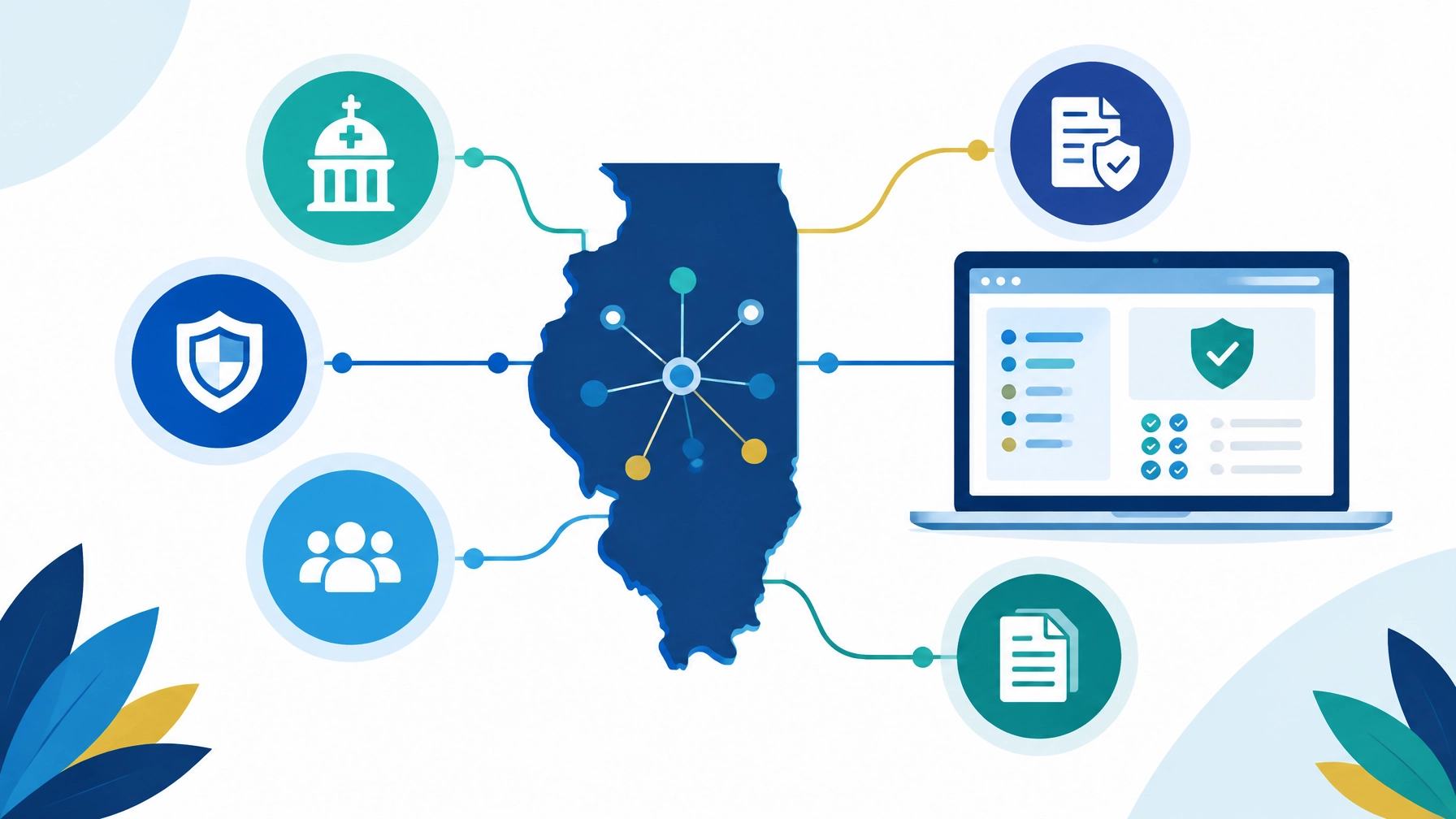
Let’s be honest: if you are a healthcare provider or a practice manager, the mere mention of “Medicaid enrollment” probably makes your blood pressure spike. It is the silent driver of your practice’s financial health, yet it is often treated as a secondary administrative task. If you’re operating in the behavioral health enrollment landscape, you already know that “difficult” is an understatement. Each state border you cross represents a new set of rules, a new portal, and a new mountain of paperwork. At The Veracity Group, we see this struggle every day. Enrollment isn’t just a “check-the-box” activity; it is your passport to success in the modern healthcare economy. While many confuse this with credentialing, it’s important to remember the distinction: credentialing verifies you can do the job, but provider enrollment is what ensures you actually get paid for it. If you don’t get the enrollment right, your revenue cycle stops dead in its tracks. In this guide, we’re breaking down the nuances of state-specific enrollment, with a special focus on the heavy hitters: North Carolina, New Mexico, Illinois, and Nebraska. The Unique Hurdles of the Behavioral Health Enrollment Landscape Before we dive into specific states, we have to talk about the behavioral health provider enrollment process. Unlike family practice or general surgery, behavioral health has layers of complexity that can trip up even the most seasoned administrators. Whether you are an LCSW, a Licensed Professional Clinical Counselor (LPCC), or a facility providing intensive outpatient services, your enrollment requirements are often more stringent. States are increasingly focused on measurement-based care and strict provider monitoring. If your enrollment application doesn’t perfectly align with state-specific taxonomies and licensure levels, your “pending” status will turn into a “denied” status faster than you can say “reimbursement.” Alt-tag: A professional team at The Veracity Group analyzing complex healthcare enrollment data on multiple screens. The behavioral health enrollment landscape is currently shifting toward more integrated care models. This means if you aren’t staying ahead of the curve, you are falling behind. Failing to secure the correct enrollment status means you are essentially providing free care: a noble but unsustainable business model. North Carolina: Taming the NCTracks Beast If you’re practicing in the Tar Heel State, you’ve met your match: NCTracks. NCTracks provider enrollment is the multi-payer Medicaid Management Information System for North Carolina, and it is famously meticulous. To succeed with NCTracks provider enrollment, you must understand that the system is built on “tight edits.” This means if your address doesn’t match the USPS database exactly, or if your NPI data has a one-digit discrepancy with your state license, the system will kick your application back. One major pitfall we see at The Veracity Group is the failure to manage the “Abbreviated Enrollment” vs. “Full Enrollment” pathways. For many behavioral health specialists, the requirements change based on whether you are an individual practitioner or part of a larger group. You must ensure that your affiliations are correctly linked within the portal, or your claims will be denied despite having an “active” status. New Mexico Medicaid: Navigating the High Desert Requirements Moving out West, New Mexico Medicaid provider enrollment presents a different set of challenges. New Mexico relies heavily on Managed Care Organizations (MCOs), but everything starts with the state’s central MAD (Medical Assistance Division) application. For behavioral health providers, New Mexico has specific requirements regarding “Provider Types” and “Specialties” that don’t always mirror other states. If you are a specialized clinic, navigating New Mexico Medicaid provider enrollment requires a deep understanding of the New Mexico Administrative Code (NMAC). The high cost of delays in New Mexico is particularly sharp. Because the state has a high percentage of Medicaid-eligible patients, a two-month delay in enrollment can result in six figures of lost revenue. Veracity specializes in ensuring that every “i” is dotted and “t” is crossed before that application ever hits the state portal. For more insights on managing these complexities, check out our tips on Medicaid enrollment strategy. The Midwest Challenge: Illinois and Nebraska The Midwest isn’t any easier. In fact, Illinois Medicaid provider enrollment (through the IMPACT system) is a frequent source of headaches for our clients. The IMPACT portal is a comprehensive tool, but it is notoriously sensitive to “uninterrupted” data entry. If you lose your session or enter conflicting data regarding your site locations, you may find yourself locked out or facing a lengthy manual review. Alt-tag: A map of the United States highlighting Illinois and Nebraska, symbolizing the reach of The Veracity Group’s enrollment services. Similarly, Nebraska Medicaid provider enrollment requires a high level of precision. Nebraska has been modernizing its systems, but the transition has left many providers confused about where to submit certain documents. Whether you are dealing with the Heritage Health MCOs or the standard fee-for-service Medicaid, Nebraska Medicaid provider enrollment demands a proactive approach to follow-ups. You cannot simply “submit and forget.” You must actively monitor the status of your application every 48 to 72 hours to ensure no additional information requests (RFIs) are lingering in your inbox. Why The Veracity Group is Your Enrollment Powerhouse Why do practices choose to partner with us instead of handling this in-house? It’s simple: The Veracity Group understands that enrollment is the backbone of professional credibility. When you handle enrollment internally, you are often relying on staff who have ten other jobs to do. They don’t have the time to sit on hold with the Illinois Department of Healthcare and Family Services or troubleshoot a technical glitch in NCTracks. We don’t just “fill out forms.” We provide a comprehensive strategy that includes: Pre-Submission Audits: We catch errors before the state does. State-Specific Expertise: We know the “secret handshakes” for portals from New Mexico to Nebraska. Behavioral Health Focus: We understand the nuances of LCSW, LMFT, and facility-based enrollment. Continuous Monitoring: We don’t stop until the first check clears. The serious consequences of poor enrollment management include more than just delayed cash flow. It includes loss of patient trust. Imagine a